Methyl Acrylate → HCID 14011705, compound
Reaction equation

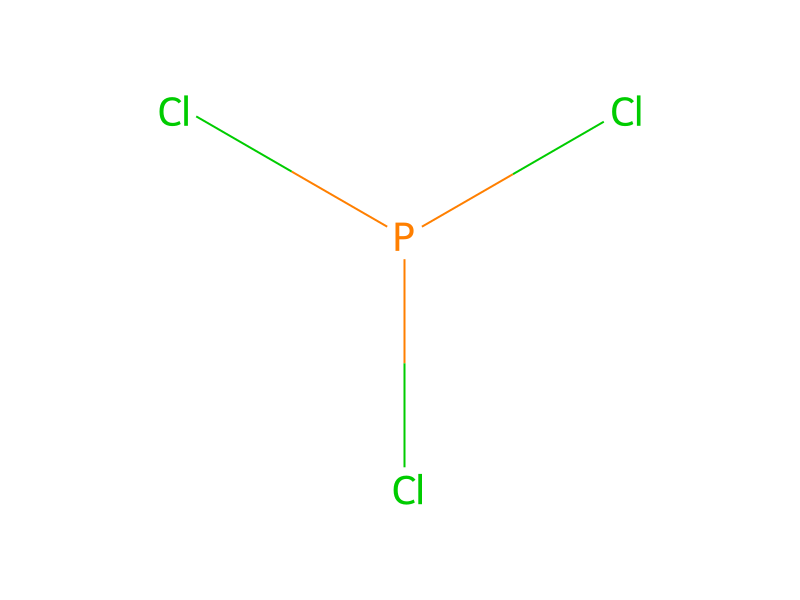
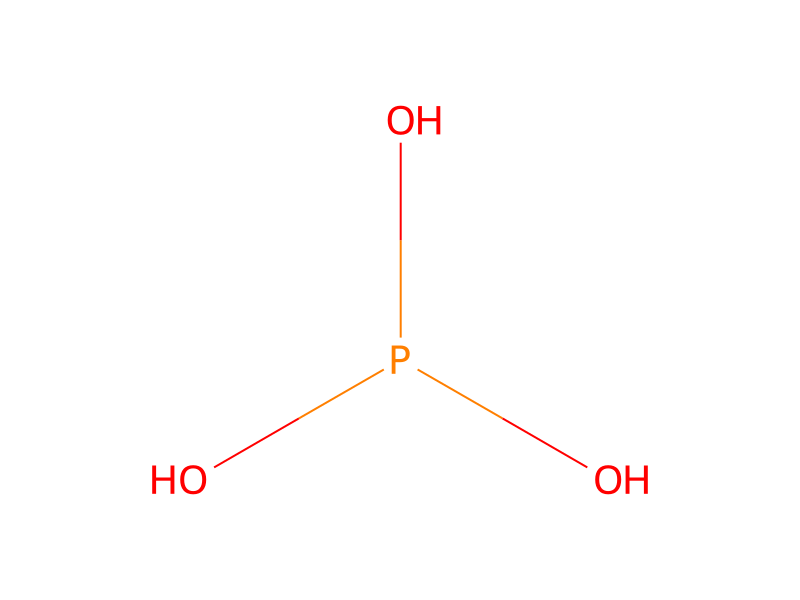
[CH:1]1([NH:7][CH3:8])[CH2:6][CH2:5][CH2:4][CH2:3][CH2:2]1.[C:9]([O:13]C)(=O)[CH:10]=[CH2:11].[P:15]([OH:18])([OH:17])[OH:16].P(Cl)(Cl)Cl>C1(C)C=CC=CC=1.O.CC(C)=O>[CH:1]1([N:7]([CH2:11][CH2:10][C:9]([OH:13])([P:15]([OH:18])(=[O:16])[OH:17])[P:15]([OH:18])(=[O:17])[OH:16])[CH3:8])[CH2:6][CH2:5][CH2:4][CH2:3][CH2:2]1Participants






Conditions
- Temperature
- 100 °C
Procedure
15 g. 3-N-Cyclohexyl-N-methylaminopropionic acid (prepared from N-cyclohexyl-N-methylamine (commercially available) and methyl acrylate in toluene; yield of ester 76% of theory, m.p. 131°-134° C., yield of acid 92% of theory, m.p. 101°-105° C.) are heated to 80° C. with 13.3 g. phosphorous acid. The melt is mixed with 14.1 ml. phosphorus trichloride and kept at the same temperature for 16 hours. 240 ml. water are then added thereto and the reaction mixture is stirred for 1 day at 100° C. It is then filtered, the filtrate is concentrated in a vacuum and the oil obtained is poured into 1 litre of acetone, crystallisation thereby commencing. The crystals are dissolved in water and purified by ion exchanger chromatography in the manner described in Example 1. Yield 4.5 g. (16.9% of theory) as monohydrate; m.p. 142° C. with sintering, 182° C. (decomp.); Mrel =0.3.
Workup
- additionThe melt is mixed with 14.1 ml
- filtrationIt is then filtered
- concentrationthe filtrate is concentrated in a vacuum
- customthe oil obtained
- custompurified by ion exchanger chromatography in the manner
Sources & evidence
- ORD record
- ord-3c5863944e6741f88be32de40b2c3e08
- Source dataset
- uspto-grants-1990_05
- Patent number
- US04927814
Reaction notes
Loading…