Hydrochloric Acid → HCID 9907162, compound
Reaction equation

[OH-].[Na+].BrBr.[O:5]1CCOCC1.[C:11]([C:14]1[CH:15]=[C:16]2[C:20](=[CH:21][CH:22]=1)[CH2:19][CH:18]([CH2:23][NH:24][S:25]([C:28]1[CH:33]=[CH:32][C:31]([Cl:34])=[CH:30][CH:29]=1)(=[O:27])=[O:26])[CH2:17]2)(=[O:13])C.S([O-])([O-])(=O)=S.[Na+].[Na+].Cl>O>[Cl:34][C:31]1[CH:30]=[CH:29][C:28]([S:25]([NH:24][CH2:23][CH:18]2[CH2:17][C:16]3[C:20](=[CH:21][CH:22]=[C:14]([C:11]([OH:13])=[O:5])[CH:15]=3)[CH2:19]2)(=[O:26])=[O:27])=[CH:33][CH:32]=1Participants
8







Procedure
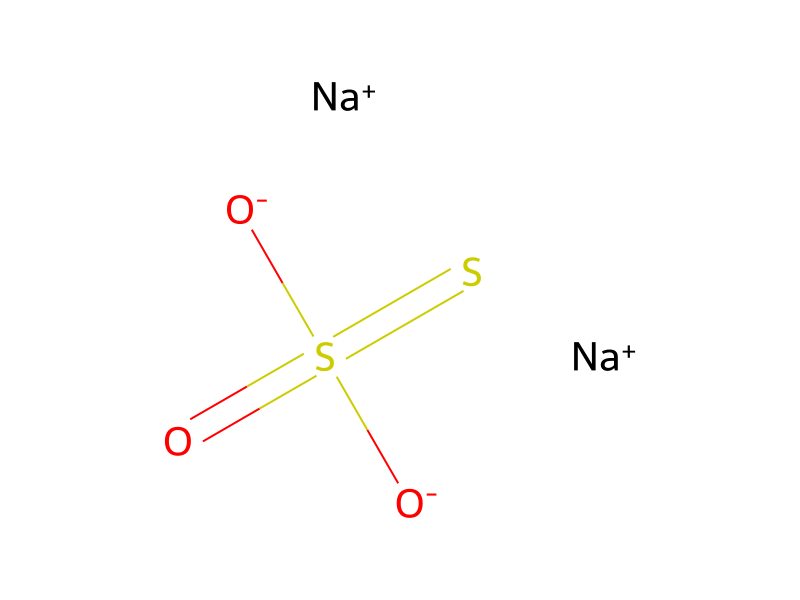
Under ice-salt cooling, 4.90 g (122 mmol) of sodium hydroxide was dissolved in 50 ml of water, to which 1.6 ml (31.0 mmol) of bromine was added dropwise. This mixture was added to a solution of 100 ml of 90% dioxane containing 2.85 g (7.50 mmol) of 5-acetyl-2-[(4-chlorophenyl)sulfonylaminomethyl]indan under cooling in an ice-salt bath. Thereafter, stirring was conducted for 1 hour during which the temperature of the mixture was elevated to room temperature. The reaction solution was added with 10% sodium thiosulfate, and made acidic with 1N HCl, followed by extracting with ethyl acetate. The solvent was removed, and the residue was recrystallized from acetic acid to obtain 2.36 g of colorless crystals. Yield: 86%
Workup
- additionwas added dropwise
- temperatureunder cooling in an ice-salt bath
- customwas elevated to room temperature
- extractionby extracting with ethyl acetate
- customThe solvent was removed
- customthe residue was recrystallized from acetic acid
Sources & evidence
- ORD record
- ord-7e8db3b0d6ed44afb6d57399117d6d93
- Source dataset
- uspto-grants-1995_04
- Patent number
- US05409956
Reaction notes
Loading…