Uracil → HCID 178517720, compound
Reaction equation

[Cl:1][C:2]1[CH:15]=[C:14]([Cl:16])[CH:13]=[CH:12][C:3]=1[CH:4](O)[C:5]1[CH:10]=[CH:9][CH:8]=[CH:7][CH:6]=1.[NH:17]1[CH:24]=[CH:23][C:21](=[O:22])[NH:20][C:18]1=[O:19].B(F)(F)F>C(O)(=O)C>[OH:19][C:18]1[N:20]=[C:21]([OH:22])[C:23]([CH:4]([C:5]2[CH:10]=[CH:9][CH:8]=[CH:7][CH:6]=2)[C:3]2[CH:12]=[CH:13][C:14]([Cl:16])=[CH:15][C:2]=2[Cl:1])=[CH:24][N:17]=1Participants
5
Reactant 3


Product 1

Reagents, catalysts & solvents 1

Procedure
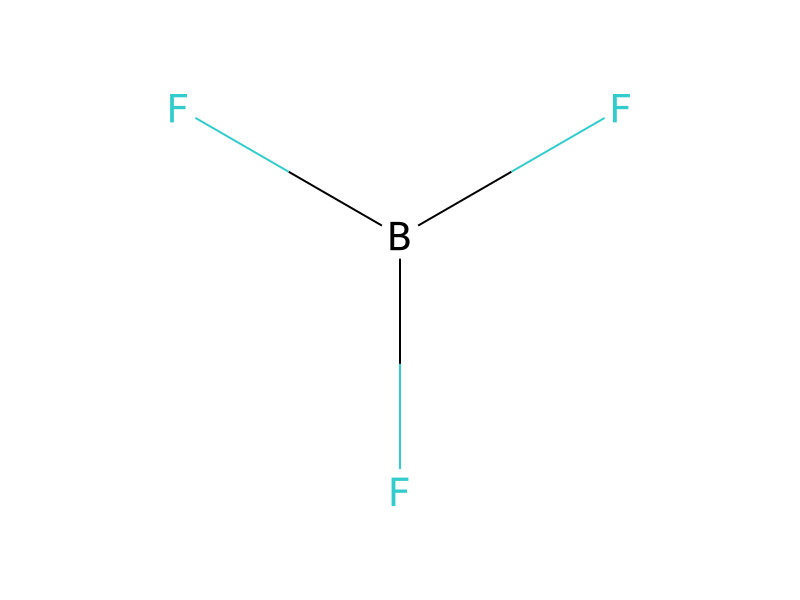
One method of preparation involves the reaction of, for example, 2,4-dichlorobenzhydrol with uracil in glacial acetic acid in the presence of BF3. This yields the 2,4-dihydroxy-5-(2,4-dichlorobenzhydryl)pyrimidine. Treatment with phosphorus oxychloride in excess yields the 2,4-dichloro-5-(2,4-dichlorobenzhydryl)pyrimidine.
Workup
- customOne method of preparation
Sources & evidence
- ORD record
- ord-45a0b4c0b2e741dda73d76023a2673e5
- Source dataset
- uspto-grants-1976_06
- Patent number
- USRE028865
Reaction notes
Loading…