Dimethylformamide → Phenobarbital
Reaction equation

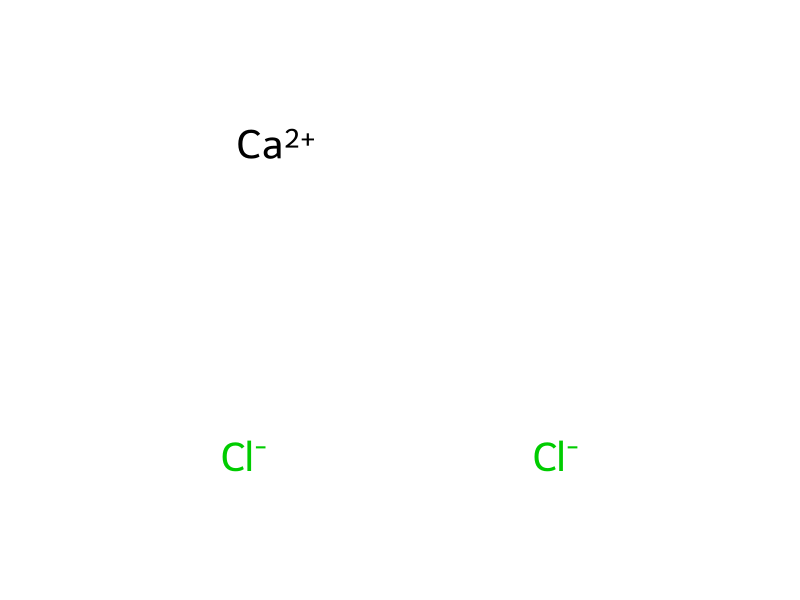
[CH3:1][CH2:2][C:3]1([C:12]2[CH:17]=[CH:16][CH:15]=[CH:14][CH:13]=2)[C:9](=[O:10])[N:8]=[C:7]([O-:11])[NH:6][C:4]1=[O:5].[Na+].ClCC([O-])=O.[Na+].[Cl-].[Cl-].[Ca+2].CN(C=O)C>CO>[CH3:1][CH2:2][C:3]1([C:12]2[CH:13]=[CH:14][CH:15]=[CH:16][CH:17]=2)[C:9](=[O:10])[NH:8][C:7](=[O:11])[NH:6][C:4]1=[O:5]Participants
Reactant 4



Product 1

Reagents, catalysts & solvents 1

Procedure
A solution of sodium phenobarbitone (8.8 g, 35 mmoles), and sodium chloroacetate (4.5 g, 38 mmoles) in methanol (250 ml) was mixed with a solution of CaCl2 (3 g) in methanol (50 ml). After addition of 5 ml DMF the mixture was refluxed for 36 hours. After removal of the solvent, the residue was treated with water (100 ml) and acidified with conc. HCl followed by extraction with chloroform. The organic layer was evaporated to dryness and the residue treated with 10% NaHCO3 solution. Extraction with chloroform and evaporation of the organic layer yielded 3 g of unreacted phenobarbital. The bicarbonate layer was acidified with conc. HCl and extracted with chloroform. Evaporation of the dried (MgSO4) chloroform yielded 4.5 g of a gummy material which solidified slowly on standing. TLC and NMR showed this to be nearly pure monoacid with only traces of unreacted phenobarbitone and dialkylated derivative.
Workup
- temperaturewas refluxed for 36 hours
- customAfter removal of the solvent
- additionthe residue was treated with water (100 ml)
- extractionfollowed by extraction with chloroform
- customThe organic layer was evaporated to dryness
- additionthe residue treated with 10% NaHCO3 solution
- extractionExtraction
- customwith chloroform and evaporation of the organic layer
Sources & evidence
- ORD record
- ord-7bd69fe7ae104c648bd5d7ea79d4eeb8
- Source dataset
- uspto-grants-1976_06
- Patent number
- US03966764
Reaction notes
Loading…