Ammonia → Dibismuth;tris(2-hydroxybutanedioate)
Reaction equation

[N+](O[Bi])([O-])=O.[N+](O[Bi])([O-])=O.[N+](O[Bi])([O-])=O.[N+](O[Bi])([O-])=O.O.O.O.O.O.O.O.O.O[Bi:30]=O.[C:32]([OH:40])(=[O:39])[CH:33]([CH2:35][C:36]([OH:38])=[O:37])[OH:34].N.[N+]([O-])([O-])=O>O.OCC(CO)O>[C:32]([O-:40])(=[O:39])[CH:33]([CH2:35][C:36]([O-:38])=[O:37])[OH:34].[Bi+3:30].[C:32]([O-:40])(=[O:39])[CH:33]([CH2:35][C:36]([O-:38])=[O:37])[OH:34].[C:32]([O-:40])(=[O:39])[CH:33]([CH2:35][C:36]([O-:38])=[O:37])[OH:34].[Bi+3:30]Participants
7
Reactant 4


Product 1

Reagents, catalysts & solvents 2
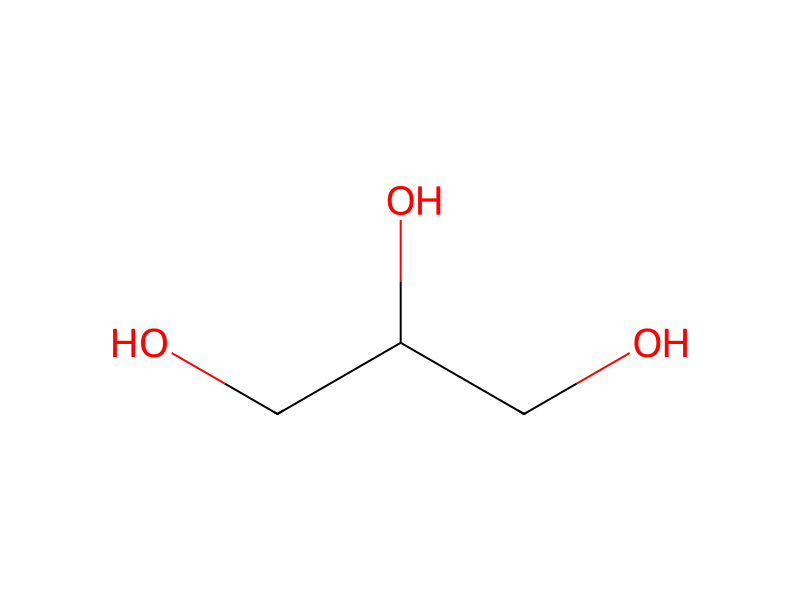

Conditions
- Temperature
- 70 °C
Procedure
The bismuth sub nitrate, glycerin, malic acid, ammonia, and 10% of the water were placed in a kettle and heated at 70° C. until clear. During heating, the malic acid displaced the nitrate to form bismuth malate, which complexed with the ammonia;
Workup
- temperatureDuring heating
Sources & evidence
- ORD record
- ord-9de17404312946de929ac9e7857a2f08
- Source dataset
- uspto-grants-1981_12
- Patent number
- US04306873
Reaction notes
Loading…