Hydrochloric Acid → HCID 20556522, compound
Reaction equation

[NH2:1][C:2]([P:9]([OH:12])(=[O:11])[OH:10])([P:5]([OH:8])(=[O:7])[OH:6])[CH2:3][CH3:4].[OH-].[Na+].[C:15]([OH:20])(=[O:19])/[CH:16]=[CH:17]/[CH3:18].Cl>O>[C:15]([CH:16]([NH:1][C:2]([P:5]([OH:8])(=[O:6])[OH:7])([P:9]([OH:12])(=[O:10])[OH:11])[CH2:3][CH3:4])[CH2:17][CH3:18])([OH:20])=[O:19]Participants
Reactant 4


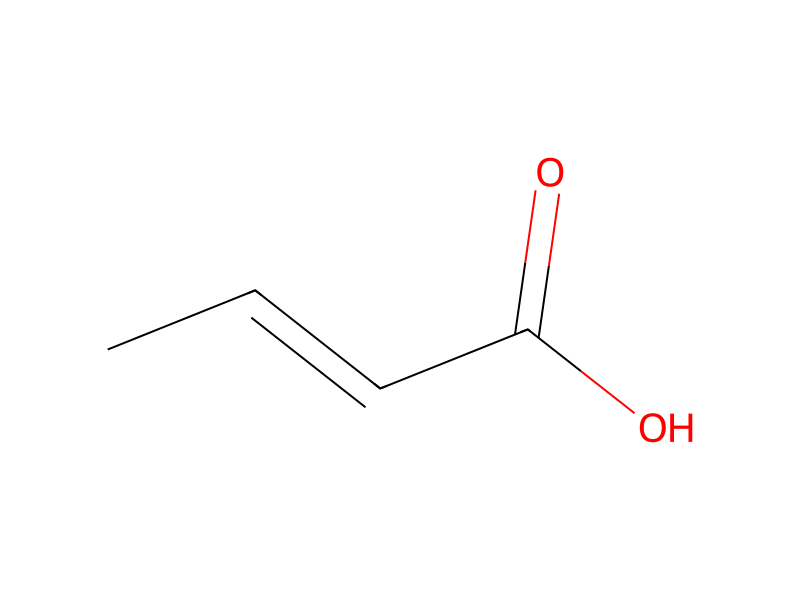

Product 1

Reagents, catalysts & solvents 1

Conditions
- Temperature
- 100 °C
Procedure
54.8 g. of 1-amino propane-1,1-diphosphonic acid and 40 g. of sodium hydroxide are dissolved in 150 cc. of water. 10 g. of sodium hydroxide dissolved in 40 cc. of water and 22 g. of crotonic acid dissolved in 50 cc. of water are added drop by drop simultaneously thereto while stirring vigorously. After continuing stirring for one hour, the temperature of the reaction mixture is increased to 100° C. and the reaction solution is boiled under reflux for 3 hours. It is then slightly acidified with hydrochloric acid. Any turbidity occurring thereby is removed by filtration. After treating the solution with an acid ion exchange agent, the N-(1-carboxy propyl)-1-amino propane-1,1-diphosphonic acid is obtained as an oily residue. This residue is mixed with 100 cc. of ethanol, the ethanol is decanted, and the residue is dried.
Workup
- stirringAfter continuing stirring for one hour
- temperatureunder reflux for 3 hours
- customAny turbidity occurring thereby is removed by filtration
- additionAfter treating the solution with an acid ion exchange agent
Sources & evidence
- ORD record
- ord-65bfc9403edf4b0dada449dc85d3c801
- Source dataset
- uspto-grants-1981_12
- Patent number
- US04307038
Reaction notes
Loading…