Water → 1-(2-Furfuryl)-2-thiourea
Reaction equation

Cl.[CH2:2]([NH2:8])[C:3]1[O:7][CH:6]=[CH:5][CH:4]=1.[S-:9][C:10]#[N:11].[NH4+].O.C(OCC)(=O)C>BrC1C=CC=CC=1>[CH2:2]([NH:8][C:10]([NH2:11])=[S:9])[C:3]1[O:7][CH:6]=[CH:5][CH:4]=1Participants
Reactant 4




Product 1

Reagents, catalysts & solvents 1
Procedure
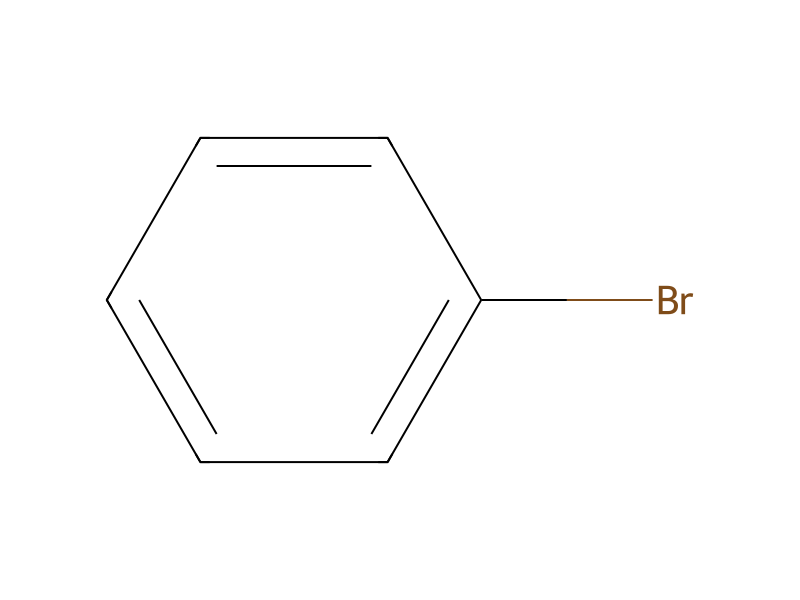
Furfurylamine hydrochloride (33.46 grams, 0.250 moles) and ammonium thiocyanate (38.14 grams, 0.501 moles) in 71 ml bromobenzene were heated under nitrogen at reflux temperature for 20 minutes and then cooled to room temperature. The reaction mixture was mixed with a solution of 125 ml water and 100 ml ethyl acetate and left at room temperature overnight. The mixture was then diluted to give 500 ml ethyl acetate and 350 ml water and the aqueous layer separated. The organic layer was washed with water and dried over sodium sulfate. After filtration, the organic layer was evaporated to dryness and bromobenzene removed under vacuum. The resulting solids were ground in a mortar and pestle and the fine particles stirred in diethyl ether to remove residual bromobenzene. The solids were then filtered, washed with diethyl ether and vacuum dried over phosphorus pentoxide, yielding 12.06 grams (30%) of N-furfurylthiourea, m.p. 80°-91° C. Recrystallization from benzene gave yellow needles, m.p. 98°-100° C.
Workup
- temperatureat reflux temperature for 20 minutes
- additionThe mixture was then diluted
- customthe aqueous layer separated
- washThe organic layer was washed with water
- dry with materialdried over sodium sulfate
- filtrationAfter filtration
- customthe organic layer was evaporated to dryness and bromobenzene
- customremoved under vacuum
- customto remove residual bromobenzene
- filtrationThe solids were then filtered
- washwashed with diethyl ether and vacuum
- dry with materialdried over phosphorus pentoxide
Sources & evidence
- ORD record
- ord-014813ae75574d57810d2e24129fe08b
- Source dataset
- uspto-grants-1981_12
- Patent number
- US04307106
Reaction notes
Loading…