Acetaldehyde → Urea
Reaction equation

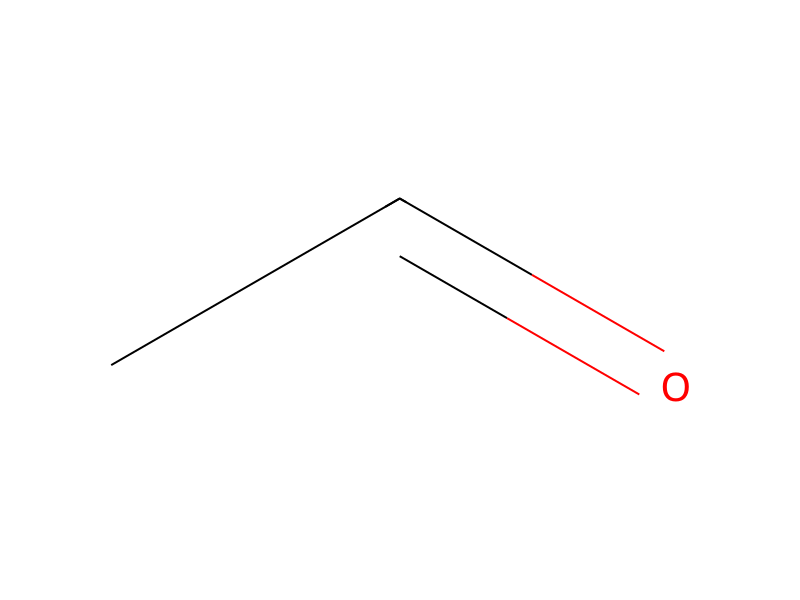
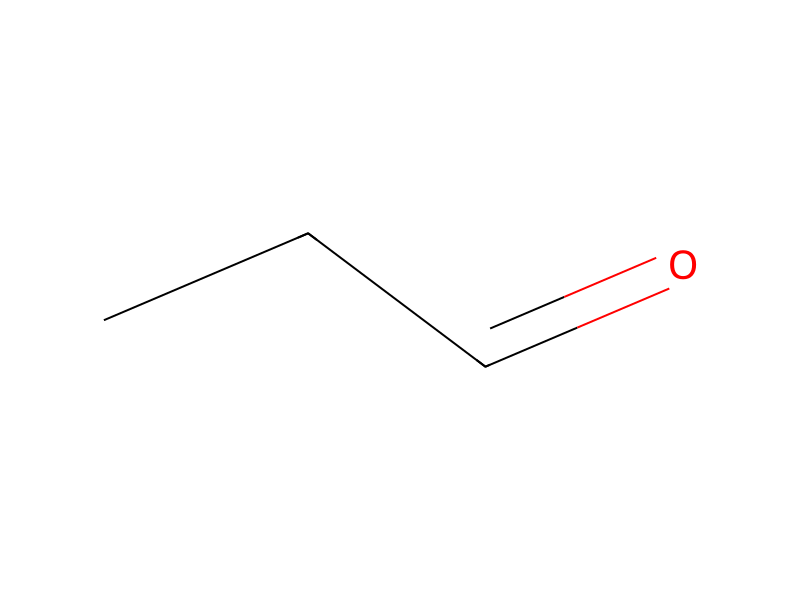
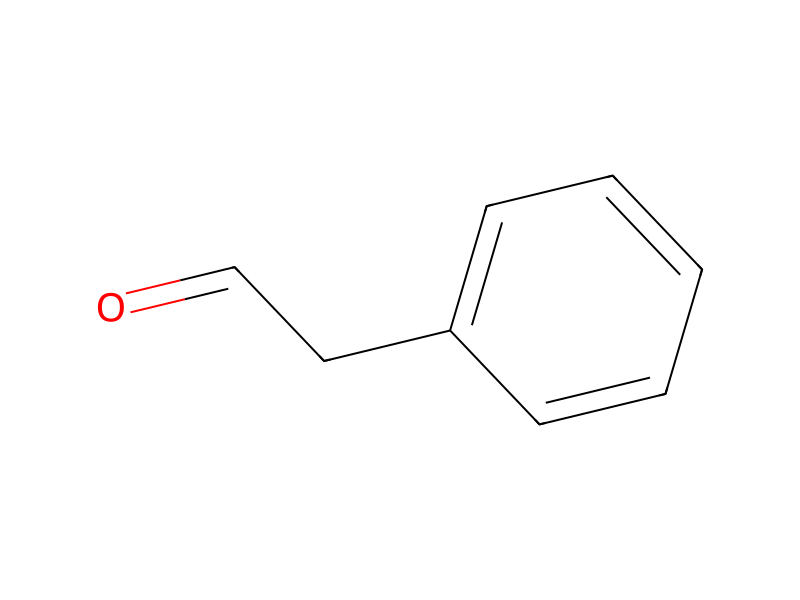
C=O.C(=O)C.C(=O)CC.[C:10]1(CC=O)[CH:15]=[CH:14][CH:13]=[CH:12][CH:11]=1.[NH2:19][C:20]([NH2:22])=[O:21]>>[NH2:19][C:20]([NH2:22])=[O:21].[NH2:19][C:10]1[CH:15]=[CH:14][CH:13]=[CH:12][CH:11]=1Participants



Procedure
The amino-series resin is usually obtained by a reaction of an amino group-containing compound with an aldehyde (e.g., an aliphatic aldehyde such as formaldehyde (formic aldehyde), acetaldehyde or propionaldehyde, an aromatic aldehyde such as phenylacetaldehyde). The amino-series resin may include a urea resin (e.g., a urea resin obtained by a reaction of urea with an aldehyde), an aniline resin (e.g., an aniline resin obtained by a reaction of an aniline compound such as aniline, naphthylamine, toluidine, xylidine, N,N′-dimethylaniline or benzidine, with an aldehyde), a melamine resin (e.g., a melamine resin obtained by a reaction of melamine with an aldehyde), a guanamine resin (e.g., a guanamine resin obtained by a reaction of a guanamine compound such as benzoguanamine, acetoguanamine or formoguanamine, with an aldehyde) and the like.
Sources & evidence
- ORD record
- ord-0f7685482ef34b0e92dc22fc4f031aef
- Source dataset
- uspto-grants-2011_10
- Patent number
- US08029910B2
Reaction notes
Loading…