Glyoxal → HCID 87141418, compound
Reaction equation

Cl.[F:2][C:3]1[CH:8]=[CH:7][C:6]([NH:9][NH2:10])=[CH:5][CH:4]=1.CCN(C(C)C)C(C)C.[CH:20](=O)[CH:21]=[O:22]>C1COCC1>[F:2][C:3]1[CH:8]=[CH:7][C:6]([NH:9]/[N:10]=[CH:20]/[CH:21]=[O:22])=[CH:5][CH:4]=1Participants
5
Reactant 3
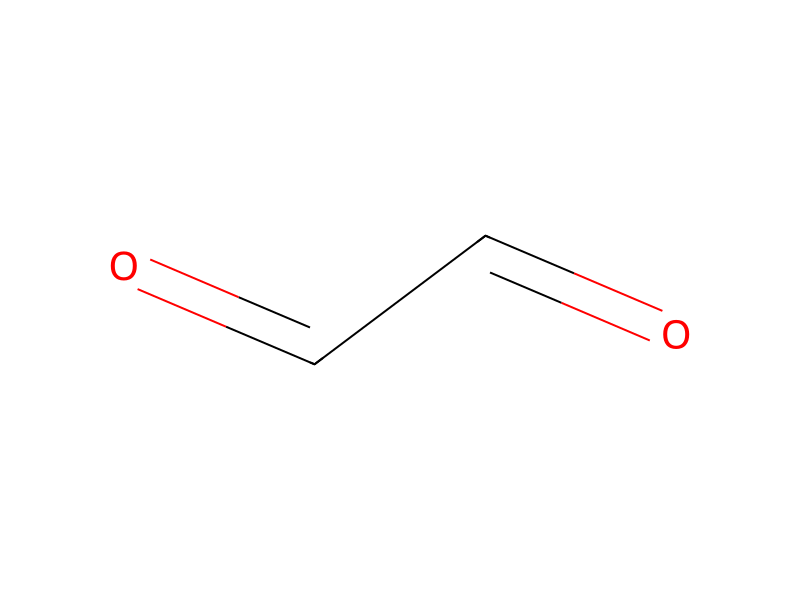


Product 1

Reagents, catalysts & solvents 1

Procedure
A solution of 4-fluorophenylhydrazine hydrochloride (1 g, 6 mmol) in THF (20 mL) is treated with DIPEA (3 mL, 18 mmol). Then oxalaldehyde (40% in water, 0.89 g, 6.0 mmol) in THF (10 mL) is added dropwise in an ice-bath. After the addition, the mixture is stirred at RT for 30 min, quenched with water, and extracted with EtOAc. The organic phase is washed with saturated aqueous sodium chloride, dried over Na2SO4 and concentrated to afford the crude title compound (0.97 g, 97% yield). MS (m/z): 167 (M+H).
Workup
- additionAfter the addition
- customquenched with water
- extractionextracted with EtOAc
- washThe organic phase is washed with saturated aqueous sodium chloride
- dry with materialdried over Na2SO4
- concentrationconcentrated
Sources & evidence
- ORD record
- ord-b786b05ccc01466ca74f4563dc9de5b5
- Source dataset
- uspto-grants-2011_10
- Patent number
- US08030302B2
Reaction notes
Loading…