Ammonium Chloride → 2-(3-Bromo-4-methoxybenzoyl)-6-fluorobenzonitrile
Reaction equation

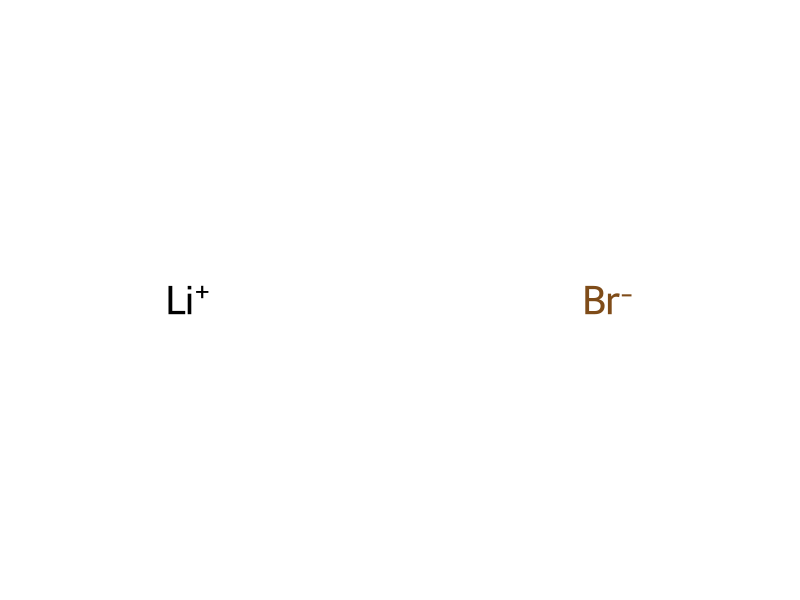
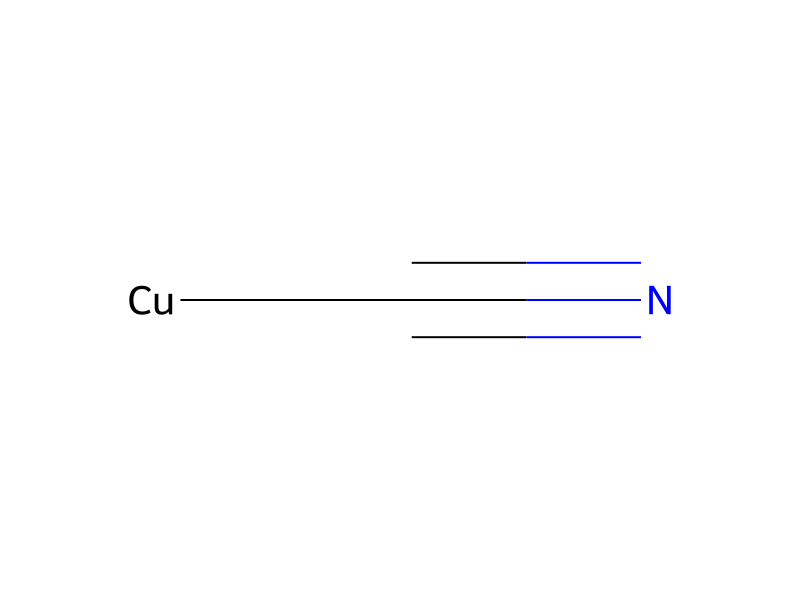
[Cu]C#N.[Br-].[Li+].[I-].[C:7]([C:9]1[C:14]([F:15])=[CH:13][CH:12]=[CH:11][C:10]=1[Zn+])#[N:8].[Br:17][C:18]1[CH:19]=[C:20]([CH:24]=[CH:25][C:26]=1[O:27][CH3:28])[C:21](Cl)=[O:22].[NH4+].[Cl-]>C1COCC1>[Br:17][C:18]1[CH:19]=[C:20]([CH:24]=[CH:25][C:26]=1[O:27][CH3:28])[C:21]([C:10]1[CH:11]=[CH:12][CH:13]=[C:14]([F:15])[C:9]=1[C:7]#[N:8])=[O:22]Participants
Reactant 5



Product 1

Reagents, catalysts & solvents 1

Procedure
To a solution of copper(I) cyanide (1.746 g, 19.50 mmol) and lithium bromide (0.98 mL, 39 mmol) in anhydrous THF (40 mL), (2-cyano-3-fluorophenyl)zinc(II) iodide (0.5M in THF, 39 mL, 19.50 mmol) was added at −78° C. followed by addition of 3-bromo-4-methoxybenzoyl chloride (5.35 g, 21.45 mmol) in THF (40 mL). The reaction mixture was allowed to reach room temperature and stirred over night. Saturated aqueous NH4Cl (40 mL) was added and the resulting mixture was concentrated under reduced pressure. The residue was diluted with water (30 ml) and extracted with DCM (3×50 mL). The combined organic extracts were passed though a phase separator (Sorbent) and concentrated under reduced pressure. The residue was purified by flash column chromatography (0-60% ethyl acetate in heptane) to afford the title compound (3.5 g, 54%).
Workup
- customto reach room temperature
- concentrationthe resulting mixture was concentrated under reduced pressure
- additionThe residue was diluted with water (30 ml)
- extractionextracted with DCM (3×50 mL)
- concentrationconcentrated under reduced pressure
- customThe residue was purified by flash column chromatography (0-60% ethyl acetate in heptane)
Sources & evidence
- ORD record
- ord-7a6a923b6bbd4df08b23b0cc7704fcef
- Source dataset
- uspto-grants-2011_10
- Patent number
- US08030500B2
Reaction notes
Loading…