Sodium Hydroxide → (2-Chloro-4-methylquinolin-6-yl)methanol
Reaction equation

Br[CH2:2][C:3]1[CH:4]=[C:5]2[C:10](=[CH:11][CH:12]=1)[N:9]=[C:8]([Cl:13])[CH:7]=[C:6]2[CH3:14].[OH-:15].[Na+]>CSC.C(OCC)(=O)C>[Cl:13][C:8]1[CH:7]=[C:6]([CH3:14])[C:5]2[C:10](=[CH:11][CH:12]=[C:3]([CH2:2][OH:15])[CH:4]=2)[N:9]=1Participants
5
Reactant 2


Product 1

Reagents, catalysts & solvents 2
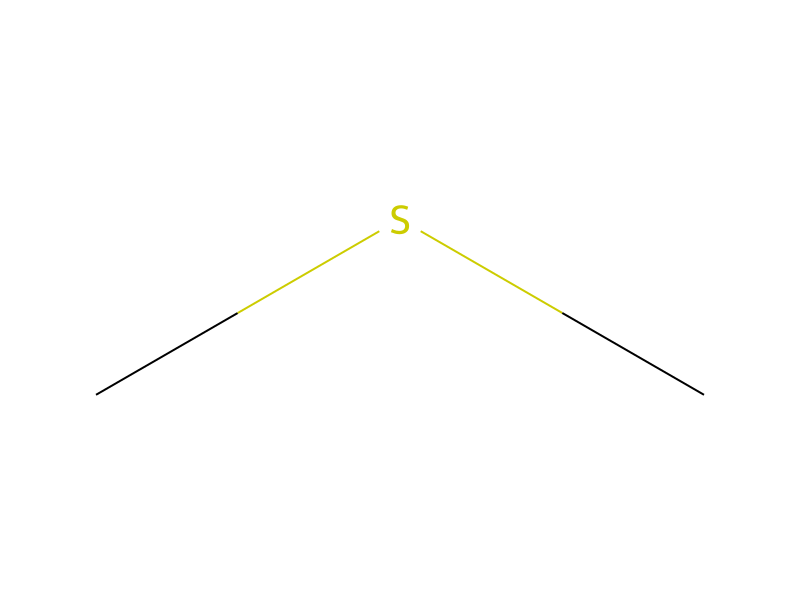

Conditions
- Temperature
- 70 °C
Procedure
To a solution of 6-bromomethyl-2-chloro-4-methylquinoline (0.39 g) in dimethyl sulfide (5 mL) was added 1 M aqueous sodium hydroxide (5 mL) at room temperature, and the mixture was stirred at 70° C. for 1 h. After cooled to room temperature, the reaction solution was diluted with ethyl acetate. The organic layer was washed with saturated brine, the organic layer was dried with anhydrous magnesium sulfate, then the desiccant was removed by filtration, and the filtrate was concentrated under reduced pressure. The resulting residue was purified by silica gel column chromatography (ethyl acetate/hexane=3:1−ethyl acetate/hexane/chloroform=1:3:1−ethyl acetate) to obtain (2-chloro-4-methylquinolin-6-yl)methanol (0.14 g).
Workup
- temperatureAfter cooled to room temperature
- washThe organic layer was washed with saturated brine
- dry with materialthe organic layer was dried with anhydrous magnesium sulfate
- customthe desiccant was removed by filtration
- concentrationthe filtrate was concentrated under reduced pressure
- customThe resulting residue was purified by silica gel column chromatography (ethyl acetate/hexane=3:1−ethyl acetate/hexane/chloroform=1:3:1−ethyl acetate)
Sources & evidence
- ORD record
- ord-2b102a638a104a5c9ead2abe259b805c
- Source dataset
- uspto-grants-2011_10
- Patent number
- US08044068B2
Reaction notes
Loading…