1,3-Dibromobenzene → HCID 57825130, compound
Reaction equation

Br[C:2]1[CH:7]=[CH:6][CH:5]=[C:4]([Br:8])[CH:3]=1.C([Li])CCC.[F:14][CH:15]([F:27])[O:16][C:17]1[CH:22]=[CH:21][C:20]([C:23](=O)[CH3:24])=[C:19]([CH3:26])[CH:18]=1.C1CCCCC1.C(OCC)(=O)C>O1CCCC1>[Br:8][C:4]1[CH:3]=[C:2]([C:23]([C:20]2[CH:21]=[CH:22][C:17]([O:16][CH:15]([F:14])[F:27])=[CH:18][C:19]=2[CH3:26])=[CH2:24])[CH:7]=[CH:6][CH:5]=1Participants
Reactant 4



Product 1

Reagents, catalysts & solvents 1

Conditions
- Temperature
- -78 °C
Procedure
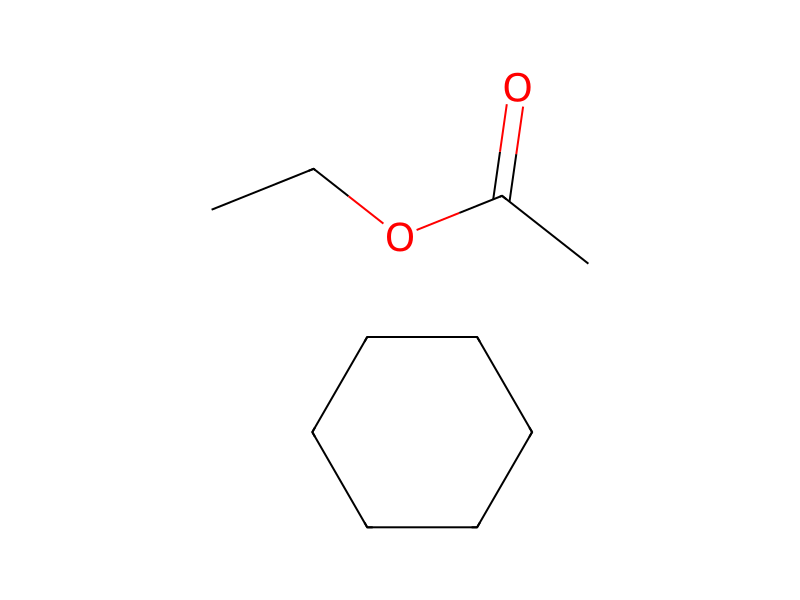
To a solution of 1,3-dibromobenzene (7.6 g, 32.2 mmol, 1 eq) in 64 mL of dry tetrahydrofuran at −78° C. under N2 atmosphere, n-butyllithium (1.6 N in hexane, 20 mL, 1.1 eq) was added dropwise. The mixture was stirred at −78° C. for 1 h, then was added via cannula to a solution of 1-(4-difluoromethoxy-2-methyl-phenyl)-ethanone (6.5 g, 32.2 mmol, 1 eq) in dry tetrahydrofuran at −78° C. The mixture was allowed to warm to room temperature. The reaction mixture was examined after 1 h by TLC (cyclohexane/ethyl acetate 9:1) which showed complete conversion to the desired product. Sat. aqueous ammonium chloride (30 mL) was added, the tetrahydrofuran layer was separated aqueous phase was extracted with dichloromethane (30 mL). The organic fractions were collected, dried over sodium sulfate and evaporated. The crude was dissolved in acetic acid (65 mL) and cone. sulfuric acid (13 mL) was added and mixture was stirred at room temperature for 2 h. A solution of 15% NaOH was added to the mixture until pH 6-5, then extracted with dichloromethane (50 mL). The organic phases were collected, dried and evaporated. The crude was purified by flash chromatography eluting with cyclohexane. 6.10 g of clean product was obtained as colorless oil (yield: 55%).
Workup
- temperatureto warm to room temperature
Sources & evidence
- ORD record
- ord-db15b133b9294661ad55174c39de4c15
- Source dataset
- uspto-grants-2011_08
- Patent number
- US07989449B2
Reaction notes
Loading…