Hydrochloric Acid → (3S)-3-amino-6-phenyl-2,3-dihydro-1,5-benzoxazepin-4(5H)-one hydrochloride
Reaction equation

[ClH:1].[O:2]=[C:3]1[NH:9][C:8]2[C:10]([C:14]3[CH:19]=[CH:18][CH:17]=[CH:16][CH:15]=3)=[CH:11][CH:12]=[CH:13][C:7]=2[O:6][CH2:5][C@@H:4]1[NH:20]C(=O)OC(C)(C)C.C(OC(C)C)(C)C>O1CCOCC1>[ClH:1].[NH2:20][C@@H:4]1[C:3](=[O:2])[NH:9][C:8]2[C:10]([C:14]3[CH:15]=[CH:16][CH:17]=[CH:18][CH:19]=3)=[CH:11][CH:12]=[CH:13][C:7]=2[O:6][CH2:5]1Participants
5
Reactant 3

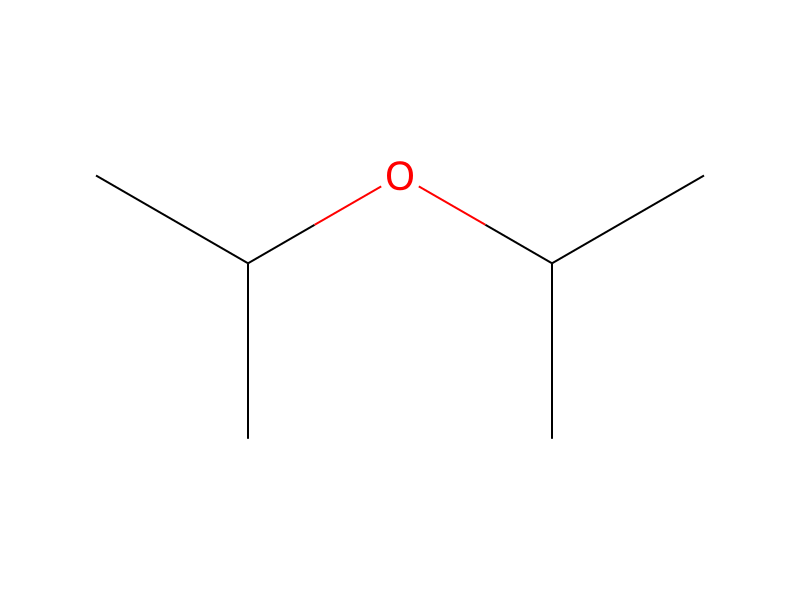

Product 1

Reagents, catalysts & solvents 1

Procedure
2 mL of dioxane and 1.8 mL of a solution of hydrochloric acid in dioxane (4M) are added to a 25 mL round-bottomed flask containing 85 mg of 43 (0.24 mmol). The mixture is stirred for 4 h at RT under argon. The dioxane is concentrated, and taken up in 10 mL of isopropyl ether. The solid formed is disintegrated with isopropyl ether. 60 mg of amine 44 (cream-coloured solid) are obtained after filtration in the hydrochloride form.
Workup
- concentrationThe dioxane is concentrated
- customThe solid formed
Sources & evidence
- ORD record
- ord-c41ff219ff934e8a8e72ccdf6967efcf
- Source dataset
- uspto-grants-2011_08
- Patent number
- US07994161B2
Reaction notes
Loading…