Hydrochloric Acid → 2-Chloro-3-methoxybenzaldehyde
Reaction equation

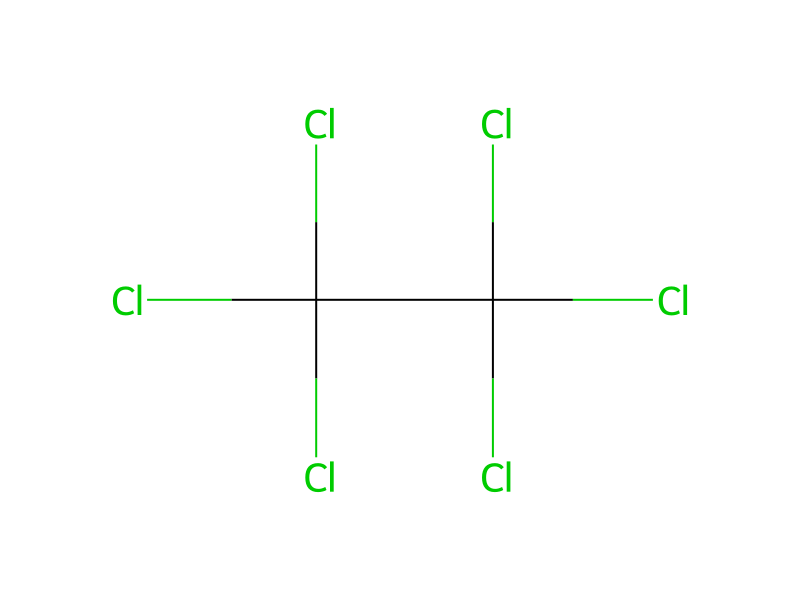
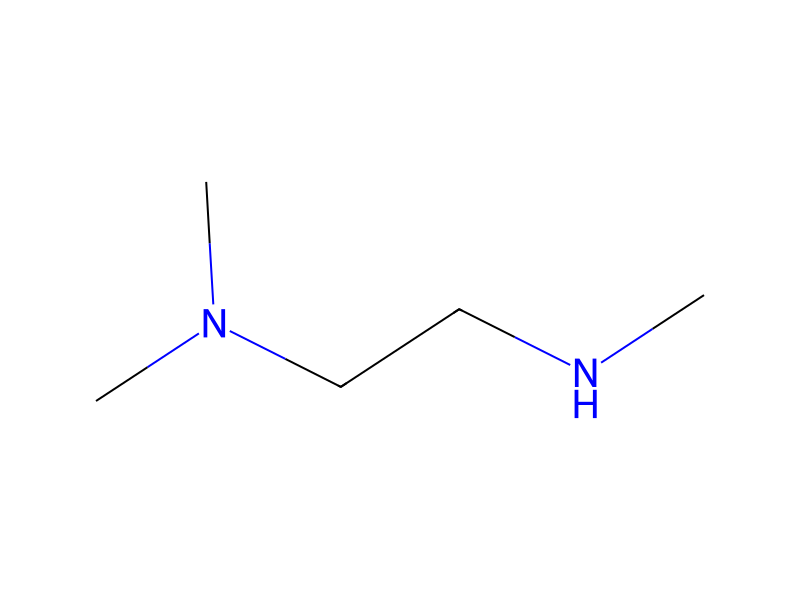
C([Li])CCC.CN(C)CCNC.[CH3:13][O:14][C:15]1[CH:16]=[C:17]([CH:20]=[CH:21][CH:22]=1)[CH:18]=[O:19].[Cl:23]C(Cl)(Cl)C(Cl)(Cl)Cl.Cl>O1CCCC1.O>[Cl:23][C:16]1[C:15]([O:14][CH3:13])=[CH:22][CH:21]=[CH:20][C:17]=1[CH:18]=[O:19]Participants
Reactant 5



Product 1

Reagents, catalysts & solvents 2


Conditions
- Temperature
- -70 °C
Procedure
At 40° C. n-butyl lithium (6.25 mL, 1.6 M in hexane) was added to a solution of N,N,N′-trimethylethylenediamine (1.27 mL) in 10 mL tetrahydrofuran. After 15 min. the reaction mixture was cooled to −70° C. and a solution of 3-methoxybenzaldehyde (1.22 mL) in 5 mL of tetrahydrofuran was added. The reaction mixture was allowed to warm to 0° C. and was cooled again to −70° C. and n-butyl lithium (6.25 mL, 1.6 M in hexane) was added. The reaction mixture was allowed to warm to 10° C. and was cooled again to −30° C. before it was added to a solution of hexachloroethane (7.10 g) in 10 mL tetrahydrofuran. The reaction mixture was stirred for 2 h. at room temperature, poured into 20 mL 10% HCl in water and extracted several times with ethyl acetate. The combined organic phases were washed with saturated brine, dried on MgSO4 and concentrated. The title product was obtained after flash column chromatography (silica gel, heptane/ethyl acetate (75/25, v/v), Rf=0.38), followed by crystallisation from heptane.
Workup
- temperatureto warm to 0° C.
- temperaturewas cooled again to −70° C.
- temperatureto warm to 10° C.
- temperaturewas cooled again to −30° C. before it
- extractionextracted several times with ethyl acetate
- washThe combined organic phases were washed with saturated brine
- customdried on MgSO4
- concentrationconcentrated
Sources & evidence
- ORD record
- ord-e4b1b27124634e59b47a9fa6eab1a6cd
- Source dataset
- uspto-grants-2011_08
- Patent number
- US07994189B2
Reaction notes
Loading…