Hydrochloric Acid → Hydrochloric Acid
Reaction equation

[CH2:1]=[O:2].[C:3]([N:5]=[C:6]([NH2:8])[NH2:7])#[N:4].C(N)CN.C=O.[NH2:15][C:16]([NH2:18])=[O:17].C(N=C(N)N)#N.C=O.C(N=C(N)N)#N.[Cl-:33].[NH4+].C(N)CN.Cl>C=O.C(N=C(N)N)#N>[NH2:15][C:16]([NH2:18])=[O:17].[C:3]([N:5]=[C:6]([NH2:8])[NH2:7])#[N:4].[CH2:1]=[O:2].[ClH:33]Participants
12
Reactant 7


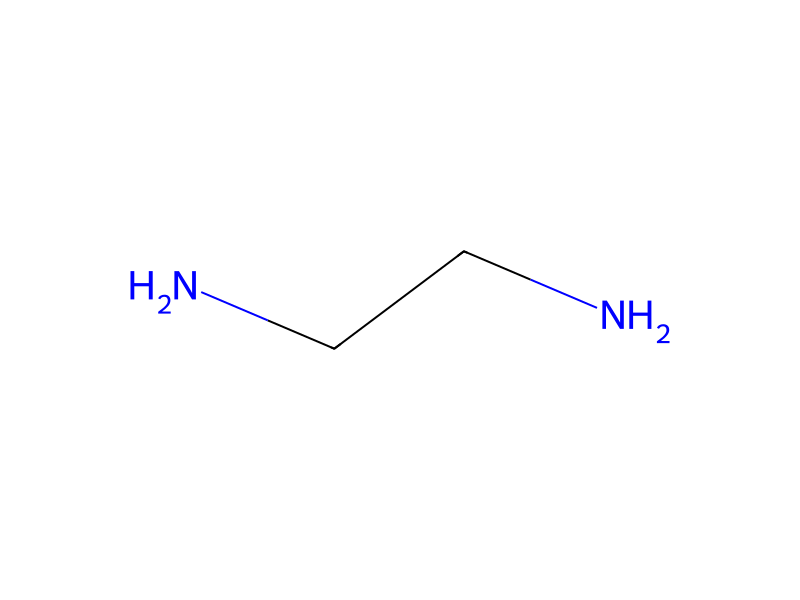




Product 4
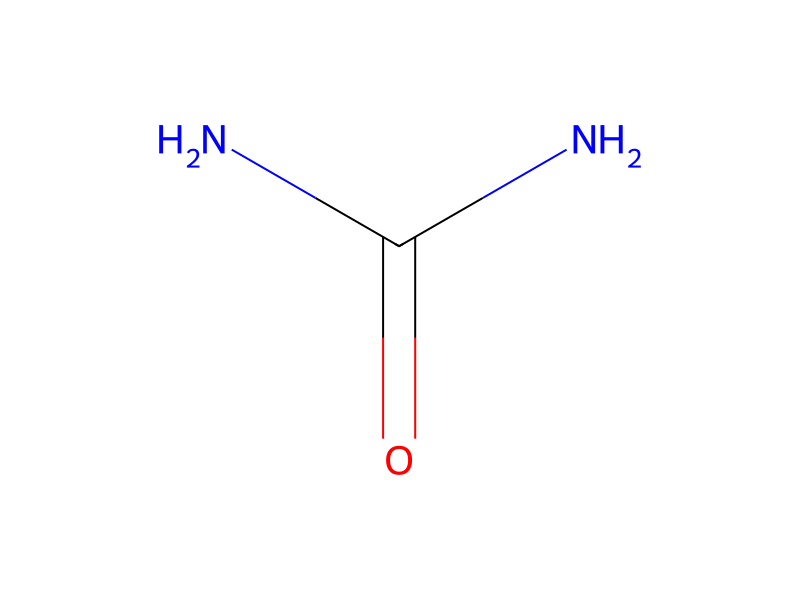
Reagents, catalysts & solvents 1

Procedure
Particularly suitable basic aminoplasts are in particular formaldehyde-dicyandiamide, formaldehyde-dicyandiamide-ethylenediamine or formaldehyde-urea-dicyandiamide condensation products. Preferred products are obtained for example by condensation of formaldehyde, dicyandiamide and ammonium chloride or by condensation of formaldehyde with the reaction product of dicyandiamide with ethylenediamine or the corresponding acid salt, such as the hydrochloride or ammonium chloride. Further basic aminoplasts are obtained by condensation of urea, dicyandiamide and formaldehyde in the presence of acid e.g. hydrochloric acid, or by condensation of dicyandiamide with formaldehyde and the tetrahydrochloride of triethylenetetramine.
Sources & evidence
- ORD record
- ord-bd35371ed78e43efb843a2455cad6b7c
- Source dataset
- uspto-grants-1981_06
- Patent number
- US04271028
Reaction notes
Loading…