Hydrochloric Acid → HCID 23458682, compound
Reaction equation

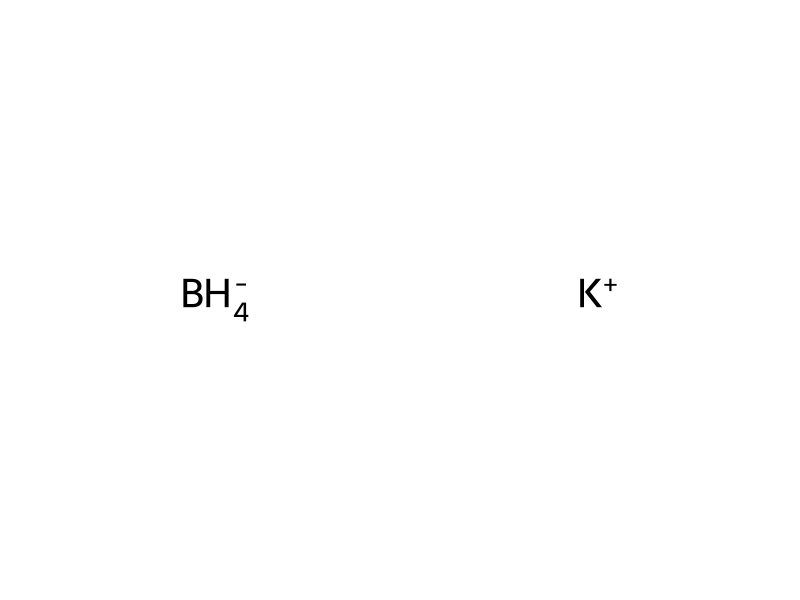
[Cl:1][C:2]1[CH:3]=[CH:4][C:5]([NH:8][C:9](=[S:20])[S:10][CH2:11][C:12]([C:14]2[CH:19]=[CH:18][CH:17]=[CH:16][CH:15]=2)=[O:13])=[N:6][CH:7]=1.[BH4-].[K+].Cl>C(#N)C.O>[Cl:1][C:2]1[CH:3]=[CH:4][C:5]([NH:8][C:9](=[S:20])[S:10][CH2:11][CH:12]([OH:13])[C:14]2[CH:15]=[CH:16][CH:17]=[CH:18][CH:19]=2)=[N:6][CH:7]=1Participants
6





Procedure
The procedure of Example 8 is followed, but a suspension of phenacyl 5-chloropyrid-2-yldithiocarbamate (23.1 g) in acetonitrile (240 cc) and a solution of potassium borohydride (3.9 g) in distilled water (60 cc) are used as the starting materials at between 20° and 28° C. The reaction is allowed to proceed for 45 minutes at 25° C. After adding a 3 N aqueous solution of hydrochloric acid (23.8 cc), filtering off the crystals, washing them with ice-cooled acetonitrile (15 cc) and then three times with distilled water (180 cc in total) and drying them under reduced pressure (0.2 mm Hg) at 40° C., 2-hydroxy-2-phenylethyl 5-chloropyrid-2-yldithiocarbamate (13.6 g), which melts at 116° C., is obtained.
Workup
- customare used as the starting materials at between 20° and 28° C
- filtrationfiltering off the crystals
- washwashing them with ice-
- temperaturecooled acetonitrile (15 cc)
- dry with materialthree times with distilled water (180 cc in total) and drying them under reduced pressure (0.2 mm Hg) at 40° C.
Sources & evidence
- ORD record
- ord-5c02f9600a304fe0b456b97451af2e44
- Source dataset
- uspto-grants-1981_06
- Patent number
- US04271167
Reaction notes
Loading…