Phosphate → Lauric Acid
Reaction equation

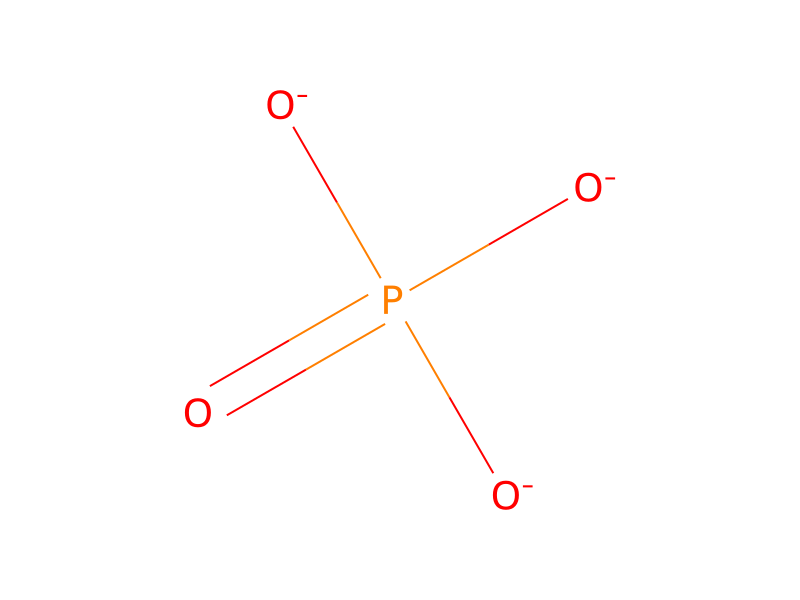
[CH2:1](O)[C@H:2]1[O:7][C@H:6]([O:8][C@]2(CO)O[C@H](CO)[C@@H](O)[C@@H]2O)[C@H:5](O)[C@@H:4](O)[C@@H:3]1O.P([O-])([O-])([O-])=O.[OH-].[K+]>CCCCCCCCCCCC>[C:6]([OH:7])(=[O:8])[CH2:5][CH2:4][CH2:3][CH2:2][CH2:1][CH2:1][CH2:2][CH2:3][CH2:4][CH2:5][CH3:6]Participants
Reactant 3
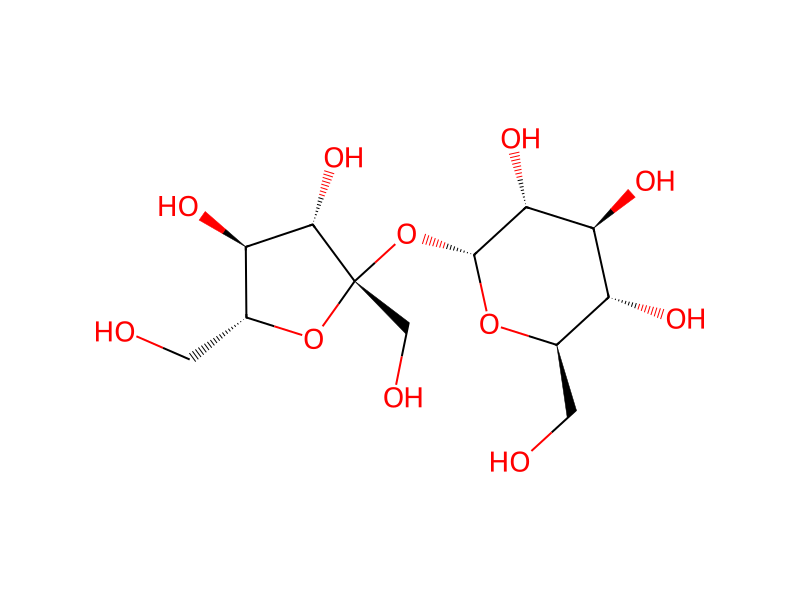

Product 1
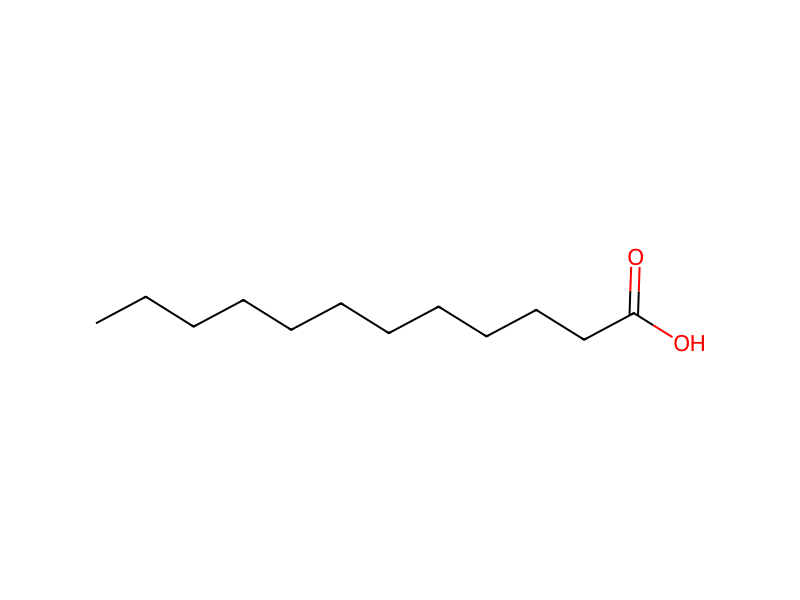
Reagents, catalysts & solvents 1

Conditions
- Temperature
- 30 °C
Procedure
Components for the fermentation medium described in Example 1 as well as 50 g sucrose were dissolved in 1 liter distilled water and adjusted to pH 5.5. Fifty milliliters of the medium were placed in a 500 ml shaking flask and inoculated with 2 loopsful of the Debaryomyces vanriji strain used in Example 1, and growth was maintained at 30° C. for 26 hours. The obtained culture broth was centrifuged in order to separate the cells (about 1 g dry weight). A reaction solution was prepared by mixing 100 ml of 0.5 M phosphate buffer (pH 7.0) with 10 ml of normal dodecane. A reaction was carried out between this reaction solution and the filtered cells at 30° C. for 72 hours. The reaction products were basified to pH 10 with potassium hydroxide and were analyzed using the same process as in Example 1. As a result, 4.8 mg/L of lauric acid and 3.7 mg/L of 1,10-decane dicarboxylic acids were produced in the reaction medium. For this experiment, the medium, substrate, and the equipment were autoclaved previously so that the experiment could be carried out under sterile conditions.
Workup
- dissolutionwere dissolved in 1 liter
- distillationdistilled water
- customto separate
- customthe cells (about 1 g dry weight)
- customA reaction solution was prepared
Sources & evidence
- ORD record
- ord-38470b5414cd4e5cbb9c442f2ebba5e6
- Source dataset
- uspto-grants-1981_06
- Patent number
- US04275158
Reaction notes
Loading…