Acetic Acid → HCID 13020634, compound
Reaction equation

[CH3:1][O:2][C:3]1[CH:4]=[C:5]([CH:11]([Cl:18])[C:12]([CH3:17])([N+:14]([O-])=O)[CH3:13])[CH:6]=[CH:7][C:8]=1[O:9][CH3:10].C([O-])(=O)C.[Na+].C(O)(=O)C.C>[H][H].[Pt](=O)=O.COCCOC>[ClH:18].[CH3:17][C:12]([NH2:14])([CH3:13])[CH2:11][C:5]1[CH:6]=[CH:7][C:8]([O:9][CH3:10])=[C:3]([O:2][CH3:1])[CH:4]=1Participants
Reactant 4

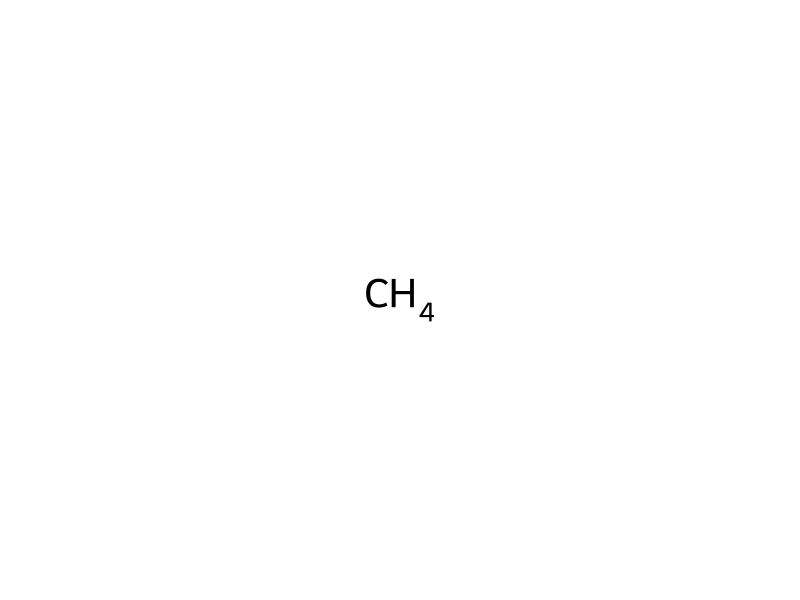


Product 1

Reagents, catalysts & solvents 3



Procedure
A mixture of 3.6 g of 1-(3,4-dimethoxyphenyl)-1-chloro-2-methyl-2-nitropropane, 910 mg of sodium acetate, 6.7 ml of acetic acid, 200 mg of platinum dioxide, 280 mg of activated charcoal and 35 ml of 1,2-dimethoxyethane is shaken at 60°-85° C. for 5.5 hours in hydrogen gas atmosphere under 55 atmospheric pressures. After cooling, insoluble materials are removed by filtration, and the filtrate is evaporated under reduced pressure to remove solvent. The residue (pale yellow oil) is dissolved in water, and then washed with ether. The aqueous layer is neutralized with 20% sodium hydroxide under cooling, and then extracted with ether. The extract is washed with water, dried and then evaporated to remove solvent. The residue (colorless oil) is converted into its hydrochloride with hydrogen chlorideether, and said hydrochloride is recrystallized from isopropylalcohol. 2.1 g of α,α-dimethyl-3,4-dimethoxyphenethylamine hydrochloride are thereby obtained as colorless plates.
Workup
- temperatureAfter cooling
- custominsoluble materials are removed by filtration
- customthe filtrate is evaporated under reduced pressure
- customto remove solvent
- dissolutionThe residue (pale yellow oil) is dissolved in water
- washwashed with ether
- temperatureunder cooling
- extractionextracted with ether
- washThe extract is washed with water
- customdried
- customevaporated
- customto remove solvent
- customis recrystallized from isopropylalcohol
Sources & evidence
- ORD record
- ord-2c85ed82e4c2463db0d1e8aa4d57fd4a
- Source dataset
- uspto-grants-1981_06
- Patent number
- US04276304
Reaction notes
Loading…