2,6-Lutidine → HCID 19040741, compound
Reaction equation

[NH2:1][C:2]1[CH:3]=[C:4]2[C:8](=[CH:9][CH:10]=1)[NH:7][CH:6]=[C:5]2[CH2:11][CH2:12][N:13]([CH3:15])[CH3:14].Cl[C:17]1[C:22]([S:23]([CH3:26])(=[O:25])=[O:24])=[CH:21][CH:20]=[CH:19][N:18]=1.N1C(C)=CC=CC=1C>BrC1C=CC=CC=1>[CH3:15][N:13]([CH3:14])[CH2:12][CH2:11][C:5]1[C:4]2[C:8](=[CH:9][CH:10]=[C:2]([NH:1][C:17]3[C:22]([S:23]([CH3:26])(=[O:25])=[O:24])=[CH:21][CH:20]=[CH:19][N:18]=3)[CH:3]=2)[NH:7][CH:6]=1Participants
5
Reactant 3


Product 1

Reagents, catalysts & solvents 1
Procedure
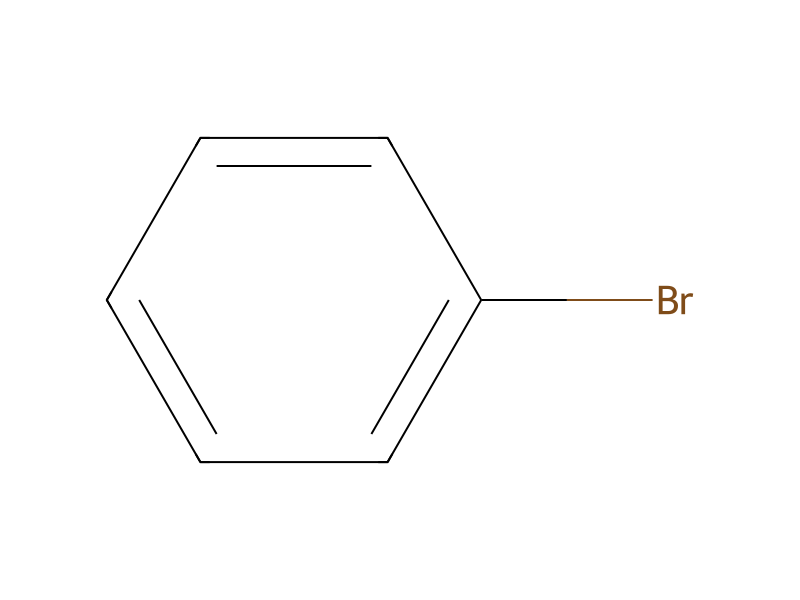
5-Amino-3-(2-dimethylaminoethyl)-1H-indole and 2-chloro-3-methylsulfonylpyridine were used. 2,6-Lutidine was used as base, bromobenzene was used as solvent, and the reaction was heated at reflux for 3.5 hours. Column chromatography afforded the title compound (13%) as a yellow solid: top, 66.0°-68.0° C.; 1H NMR (CDCl3) δ8.46 (s, NH), 8.33 (dd, J=4.8 and 1.9 Hz, 1H), 8.33 (br s, NH), 8.06 (dd, J=7.8 and 1.9 Hz, 1H), 7.66 (d, J=1.8 Hz, 1H), 7.29 (d, J=8.5 Hz, 1), 7.20 (dd, J=8.6 and 2.0 Hz, 1H), 6.97 (d, J=2.2 Hz, 1H), 6.78 (dd, J=7.8 and 4.8 Hz, 1H), 3.15 (s, 3H), 2.94-2.88 (m, 2H), 2.68-2.60 (m, 2H), 2.34 (s, 6H); HRMS calculated for C18H22N4O2S 358.1459, found 358.1490.
Workup
- temperaturethe reaction was heated
- temperatureat reflux for 3.5 hours
Sources & evidence
- ORD record
- ord-53b140c4fe134995a919f59e85552c03
- Source dataset
- uspto-grants-1997_06
- Patent number
- US05639752
Reaction notes
Loading…