Carbon Dioxide → HCID 19041739, compound
Reaction equation

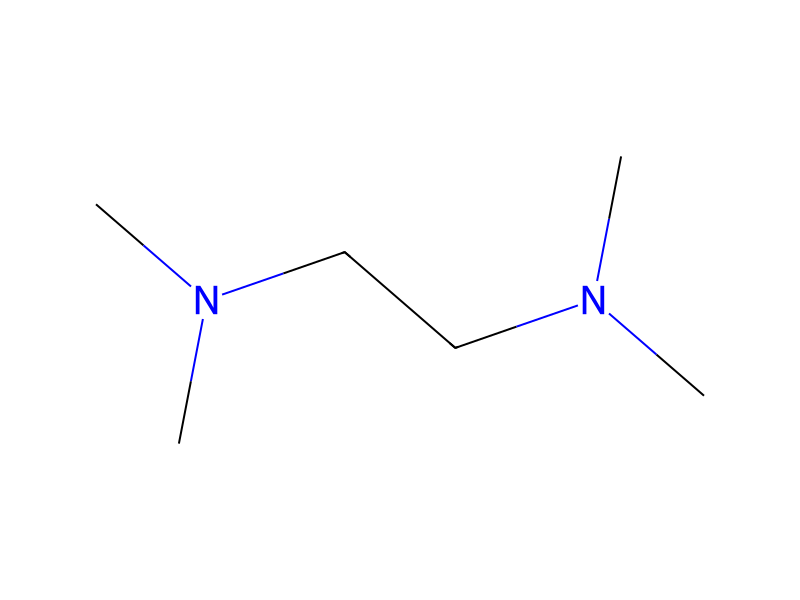
CN(CCN(C)C)C.C([Li])CCC.[CH3:14][O:15][C:16]1[CH:17]=[C:18]([CH:24]2[O:29]CCCO2)[CH:19]=[C:20]([O:22][CH3:23])[CH:21]=1.[C:30](=[O:32])=[O:31].Cl>C1COCC1.C(OCC)C>[CH3:23][O:22][C:20]1[CH:19]=[C:18]([CH:24]=[O:29])[CH:17]=[C:16]([O:15][CH3:14])[C:21]=1[C:30]([OH:32])=[O:31]Participants
Reactant 5




Product 1

Reagents, catalysts & solvents 2


Conditions
- Temperature
- 0 °C
Procedure
Anhydrous TMEDA (2.05 ml, 13.62 mmole) and 90 ml dry THF was cooled to -78° C. under an argon atmosphere. n-Butyllithium (11.35 ml of a 1.20M soln.) was added and after 15 minutes, 2-(3,5-dimethoxyphenyl)-1,3-dioxane (44) (FIG. 23) (3.05 g, 13.62 mmole) predissolved in 50 ml dry THF was added. The reaction was warmed to 0° C. and was stirred at that temperature for an additional 60 minutes (the solution turned from a blood red color to a dark brown color). The aryl lithium solution was then poured onto solid carbon dioxide covered with anhydrous diethyl ether. A white precipitate formed immediately. When the reaction warmed to room temperature, 15 ml of 10% HCl was added and the reaction was stirred overnight. The product was then extracted into chloroform. The organic layer was dried over MgSO4, and concentrated in vacuo to a white solid (1.311 g, 46%). The solid can be recrystallized from hexane/ethyl acetate.
Workup
- addition) was added and after 15 minutes
- additionwas added
- customA white precipitate formed immediately
- temperatureWhen the reaction warmed to room temperature
- stirringthe reaction was stirred overnight
- extractionThe product was then extracted into chloroform
- dry with materialThe organic layer was dried over MgSO4
- concentrationconcentrated in vacuo to a white solid (1.311 g, 46%)
- customThe solid can be recrystallized from hexane/ethyl acetate
Sources & evidence
- ORD record
- ord-53e9d7a7f8154a1ba1b8ff882a6584f3
- Source dataset
- uspto-grants-1997_06
- Patent number
- US05639782
Reaction notes
Loading…