Tetrahydrofuran → HCID 59255084, compound
Reaction equation

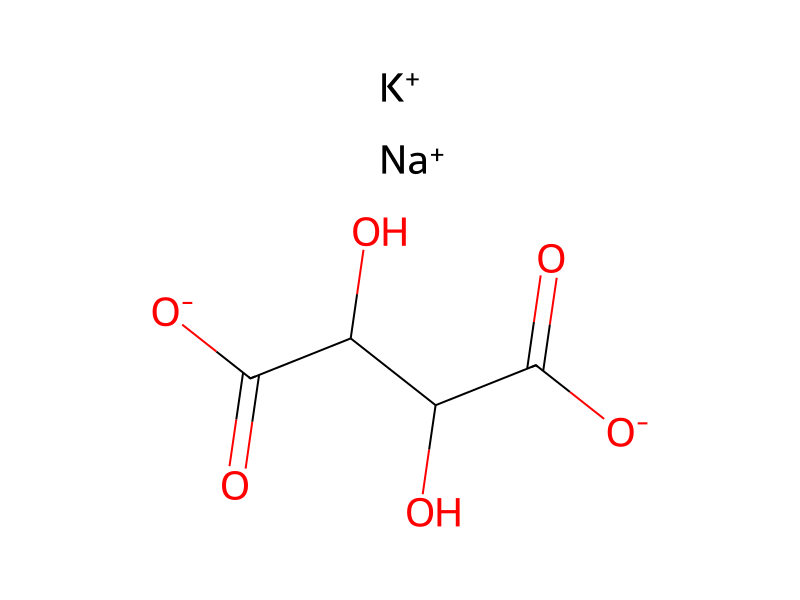
O1CCCC1.[N:6]1[CH:11]=[CH:10][CH:9]=[CH:8][C:7]=1[CH2:12][CH2:13][C:14]1[CH:23]=[CH:22][C:17]([C:18](OC)=[O:19])=[CH:16][CH:15]=1.[H-].C([NH2+]CC(C)C)C(C)C.C(C(C(C([O-])=O)O)O)([O-])=O.[Na+].[K+]>C(OCC)(=O)C>[N:6]1[CH:11]=[CH:10][CH:9]=[CH:8][C:7]=1[CH2:12][CH2:13][C:14]1[CH:15]=[CH:16][C:17]([CH2:18][OH:19])=[CH:22][CH:23]=1Participants




Procedure
To an anhydrous tetrahydrofuran (50 mL) solution of methyl 4-(2-pyridin-2-yl-ethyl)benzoate (3.71 g, 15.4 mmol) described in Manufacturing Example 93-1-3 was added diisobutyl ammonium hydride (0.97 M toluene solution, 39.7 mL, 38.5 mmol) on a dry ice-ethanol bath (−78° C.) under nitrogen atmosphere. After 30 minutes of stirring, 15% aqueous potassium sodium tartrate solution (100 mL) was added to the reaction mixture, and stirred for 30 minutes at room temperature. Ethyl acetate (100 mL) was added, and the organic layer and water layer were separated. The organic layer was washed with water and saturated aqueous sodium chloride and dried over anhydrous magnesium sulfate, and the solvent was evaporated under a reduced pressure to obtain the title compound (3.16 g, 96%).
Workup
- stirringstirred for 30 minutes at room temperature
- customthe organic layer and water layer were separated
- washThe organic layer was washed with water and saturated aqueous sodium chloride
- dry with materialdried over anhydrous magnesium sulfate
- customthe solvent was evaporated under a reduced pressure
Sources & evidence
- ORD record
- ord-7599538cf25a4a7e9804a2ff6f502b44
- Source dataset
- uspto-grants-2012_04
- Patent number
- US08153662B2
Reaction notes
Loading…