Diisopropylethylamine → N-(6-Bromo-1H-indazol-4-yl)-2-pyridinecarboxamide
Reaction equation

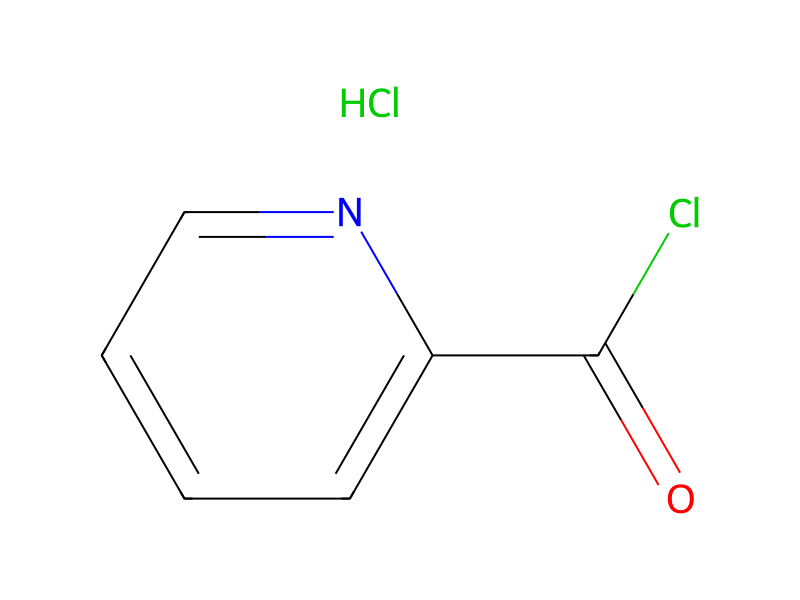
[Br:1][C:2]1[CH:3]=[C:4]([NH2:11])[C:5]2[CH:6]=[N:7][NH:8][C:9]=2[CH:10]=1.Cl.[N:13]1[CH:18]=[CH:17][CH:16]=[CH:15][C:14]=1[C:19](Cl)=[O:20].CCN(C(C)C)C(C)C>C(Cl)Cl>[Br:1][C:2]1[CH:10]=[C:9]2[C:5]([CH:6]=[N:7][NH:8]2)=[C:4]([NH:11][C:19]([C:14]2[CH:15]=[CH:16][CH:17]=[CH:18][N:13]=2)=[O:20])[CH:3]=1Participants
5




Procedure
6-Bromo-1H-indazol-4-amine (100 mg, 0.47 mmol), 2-pyridinecarbonyl chloride hydrochloride (100 mg, 0.56 mmol) and DIPEA (0.164 ml, 0.94 mmol) were stirred in DCM (10 ml) at RT overnight. The reaction was concentrated in vacuo. The residue was purified by MDAP (Method B) and appropriate fractions were evaporated to give the title compound, 38 mg.
Workup
- concentrationThe reaction was concentrated in vacuo
- customThe residue was purified by MDAP (Method B) and appropriate fractions
- customwere evaporated
Sources & evidence
- ORD record
- ord-942ef56db10c40e09c283f66ace3f07f
- Source dataset
- uspto-grants-2012_04
- Patent number
- US08163743B2
Reaction notes
Loading…