Potassium Carbonate → 3-Fluoro-2-(3-fluoropyrrolidin-1-yl)benzaldehyde
Reaction equation

F[C:2]1[C:9]([F:10])=[CH:8][CH:7]=[CH:6][C:3]=1[CH:4]=[O:5].[F:11][C@H:12]1[CH2:16][CH2:15][NH:14][CH2:13]1.C([O-])([O-])=O.[K+].[K+]>O1CCOCC1.C(OCC)(=O)C>[F:10][C:9]1[C:2]([N:14]2[CH2:15][CH2:16][CH:12]([F:11])[CH2:13]2)=[C:3]([CH:6]=[CH:7][CH:8]=1)[CH:4]=[O:5]Participants
6





Procedure
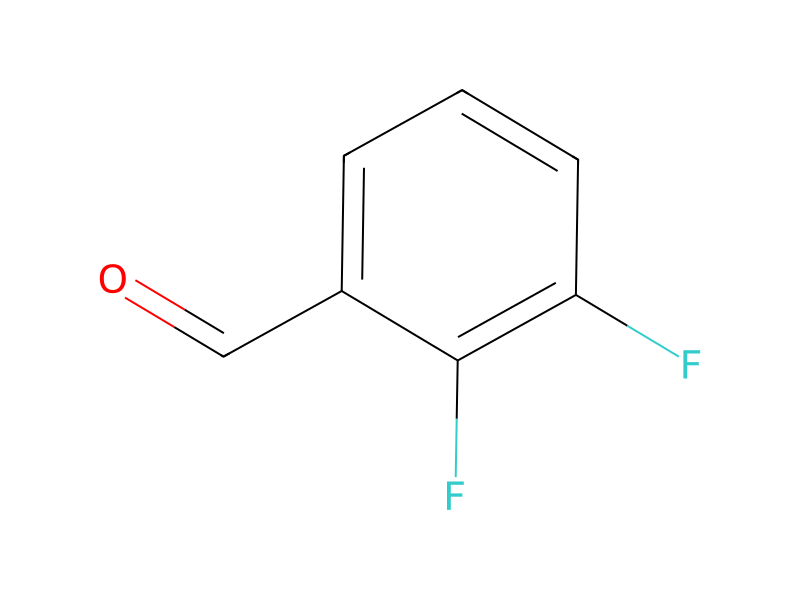
2,3-Difluorobenzaldehyde (1.0 g, 7.037 mmol) was taken up in dry dioxane (20 ml) in a tube and (S)-3-fluoropyrrolidine (627.1 mg, 7.037 mmol) and K2CO3 (676.4 mg, 10.56 mmol) were added and the mixture refluxed overnight. The reaction mixture was diluted with ethyl acetate, filtered, concentrated to dryness and purified on an ISCO system eluting with Hexane/ethyl acetate (10-100) to give 400 mg of 3-fluoro-2-(3-fluoropyrrolidin-1-yl) benzaldehyde.
Workup
- temperaturethe mixture refluxed overnight
- filtrationfiltered
- concentrationconcentrated to dryness
- custompurified on an ISCO system
- washeluting with Hexane/ethyl acetate (10-100)
Sources & evidence
- ORD record
- ord-2df28bcfe0b84cbf81347d918b414fcf
- Source dataset
- uspto-grants-2012_04
- Patent number
- US08163737B2
Reaction notes
Loading…