Dimethylformamide → 5-(4-Chlorobenzyl)-5-cyano-2,2-dimethylcyclopentanone
Reaction equation

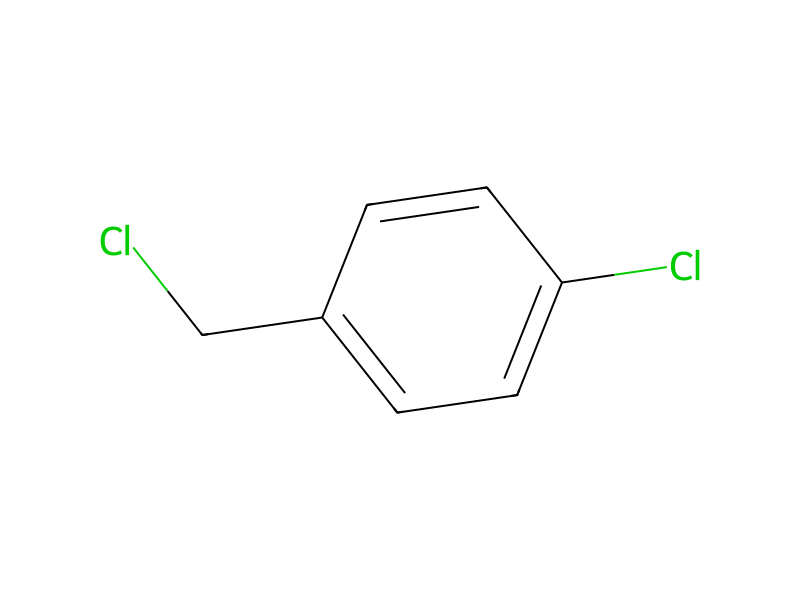
[H-].[Na+].C([CH:5]1[CH2:9][CH2:8][C:7](=[O:10])[C:6]1([CH3:12])[CH3:11])#N.[Cl:13][C:14]1[CH:21]=[CH:20][C:17]([CH2:18]Cl)=[CH:16][CH:15]=1.CCCCCC.[CH3:28][N:29](C)C=O>>[Cl:13][C:14]1[CH:21]=[CH:20][C:17]([CH2:18][C:8]2([C:28]#[N:29])[C:7](=[O:10])[C:6]([CH3:11])([CH3:12])[CH2:5][CH2:9]2)=[CH:16][CH:15]=1Participants
6





Procedure
A 60% mineral oil suspension of sodium hydride (12.7 g, 0.31 mole) in dimethylformamide under nitrogen, is treated with cyano-2,2-dimethylcyclopentanone over a 50 minute period at ice-bath temperatures, then with a solution of 4-chloro-benzyl chloride (50.2 g, 0.31 mole) over a 30 minute period, stirred for 5 hours and quenched with water. The resultant mixture is extracted with ethyl acetate. The extracts are combined, washed with water and concentrated in vacuo to afford a solid residue. The residue is titurated with hexane to afford the title product as white crystals, 59.3 g (72.6% yield), mp 101°-103° C., identified by gas chromatography.
Workup
- customquenched with water
- extractionThe resultant mixture is extracted with ethyl acetate
- washwashed with water
- concentrationconcentrated in vacuo
- customto afford a solid residue
Sources & evidence
- ORD record
- ord-6e24075084b24ea6afab7a87b69d1caa
- Source dataset
- uspto-grants-2002_02
- Patent number
- US06344580B1
Reaction notes
Loading…