Water → 2(5H)-Furanone
Reaction equation

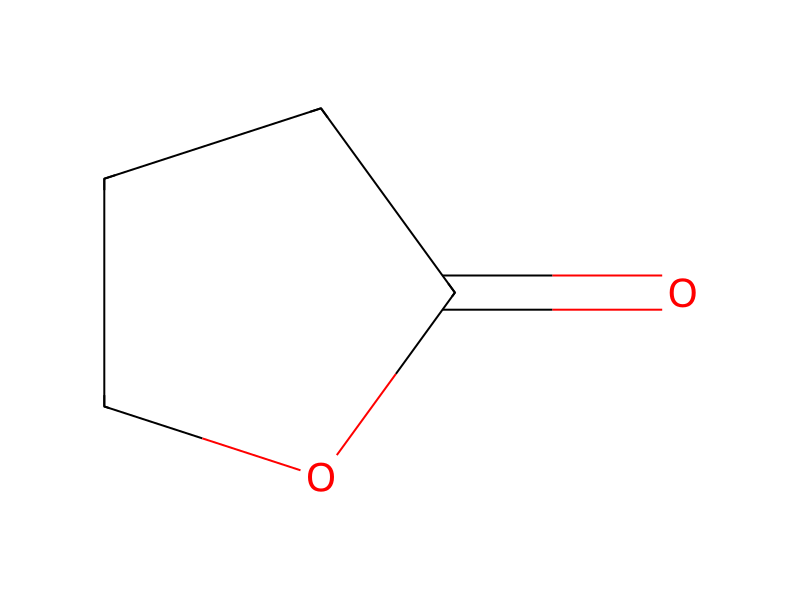
C(N([CH2:6][CH3:7])CC)C.[OH2:8].[CH:9]#[CH:10].[C]=[O:12]>O1CCOCC1.C/C(/O)=C\C(C)=O.[C-]#[O+].[C-]#[O+].[Rh]>[O:8]1[CH2:7][CH:6]=[CH:10][C:9]1=[O:12].[C:9]1(=[O:12])[O:8][CH2:7][CH2:6][CH2:10]1Participants


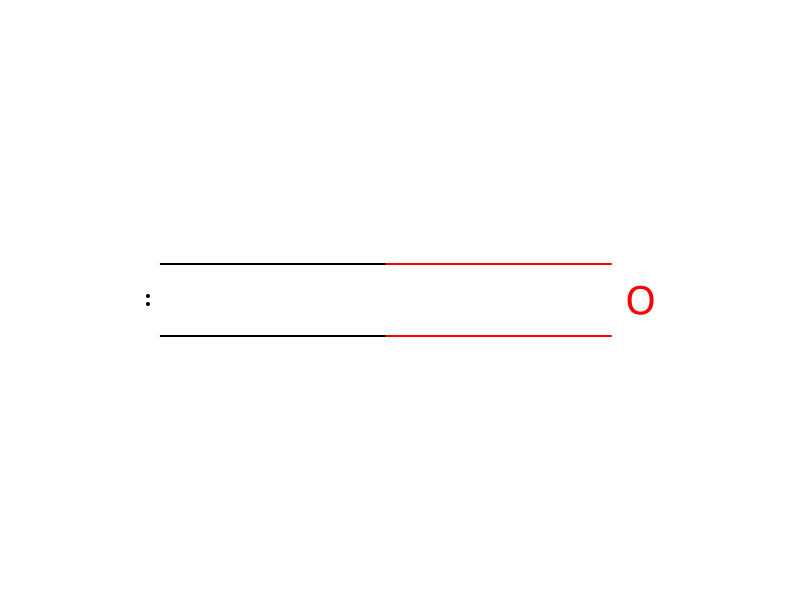



Conditions
- Temperature
- 120 °C
Procedure
The initial charge was 672 mg (2.6 mmol) of Rh(CO)2acac, 2.25 g (22.3 mmol) of triethylamine and 32.8 g (1.8 mol) of water in 400 ml of dioxane. 8.2 l (0.31 mol) of acetylene were injected at room temperature with stirring to a pressure of 3.6 bar. The pressure was then raised to 200 bar with carbon monoxide. The reaction batch was heated to 120° C., raising the pressure to 248 bar, and subsequently stirred for 2 h. After cooling and reactor decompression, a sample was taken and analyzed by gas chromatography using the technique of the internal standard. Based on the amount of acetylene used, 59% of 2(5H)-furanone and 24% of butyrolactone had formed. 50 bar of hydrogen were then injected at room temperature and the reaction batch heated to 200° C. in the autoclave, raising the pressure to 89 bar. The pressure was then raised to 200 bar with hydrogen, which was followed by 1 h of stirring. After cooling and autoclave decompression the autoclave's effluent was filtered. The filtrate was found to contain only 1% of the rhodium used. The solid filter residue was reusable as catalyst. Following a distillative workup, butyrolactone was isolated in a yield of 81%, based on the amount of acetylene used.
Workup
- additionThe initial charge
- customwere injected at room temperature
- temperatureraising the pressure to 248 bar
- stirringsubsequently stirred for 2 h
- temperatureAfter cooling
- customreactor decompression, a sample was taken
Sources & evidence
- ORD record
- ord-9c4ed46e53114b4bac24e2289f35c2a7
- Source dataset
- uspto-grants-2002_02
- Patent number
- US06346629B1
Reaction notes
Loading…