Hydrochloric Acid → HCID 169941, compound
Reaction equation

[C:1]([C:9]1[CH:14]=[CH:13][C:12]([OH:15])=[CH:11][CH:10]=1)([CH2:4][C:5]([CH3:8])([CH3:7])[CH3:6])([CH3:3])[CH3:2].[CH2:16]=[O:17].Cl.[C:19]1([OH:25])[CH:24]=[CH:23][CH:22]=[CH:21][CH:20]=1>ClC(Cl)(Cl)C(O)=O.O>[C:1]([C:9]1[CH:10]=[CH:11][C:12]([OH:15])=[CH:13][CH:14]=1)([CH2:4][C:5]([CH3:8])([CH3:7])[CH3:6])([CH3:2])[CH3:3].[C:19]1([OH:25])[CH:24]=[CH:23][CH:22]=[CH:21][CH:20]=1.[CH2:16]=[O:17]Participants
Reactant 4




Product 1

Reagents, catalysts & solvents 2

Procedure
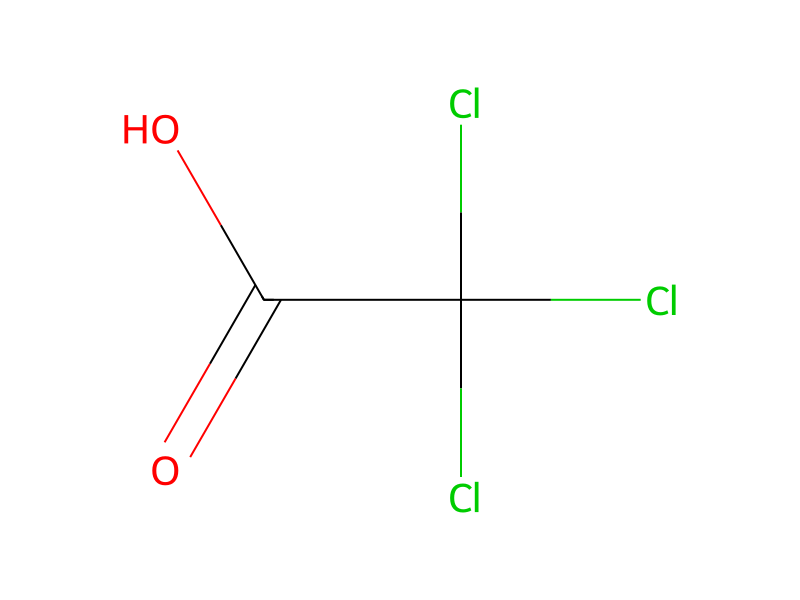
206 g (1 mole) of p-tert-octylphenol, 55.0 g (1.47 moles) of 80% paraformaldehyde, 2.1 g of calcium hydroxide and 200 g of iso-octane were condensed at 98° C. for 2 hours in a reactor to form a resol of p-tert-octylphenol. The resol consisted of a monomethylolated and a dimethylolated product of p-tert-octylphenol as main components, and the formaldehyde was reacted quantitatively. A 5% aqueous solution of HCl and 200 g of water were added to the resol-containing reaction mixture to neutralize it to a pH of 5.5. It was then separated into an iso-octane solution of the resol and an aqueous layer, and the aqueous layer was removed. Phenol (90 g; 0.96 mole) and 0.3 g of trichloroacetic acid were added to the resol solution, and the mixture was treated in the same way as in Example 6 to give 308 g of a pale yellow p-tert-octylphenol/phenol/formaldehyde co-condensate.
Workup
- customIt was then separated into an iso-octane solution of the resol
- customan aqueous layer, and the aqueous layer was removed
- additionthe mixture was treated in the same way as in Example 6
Sources & evidence
- ORD record
- ord-22ed0ea75e43411c9cc0b02ec246a785
- Source dataset
- uspto-grants-1983_04
- Patent number
- US04379897
Reaction notes
Loading…