3-Furanmethanol → Methyl (3-furyl)methyl 2-vinylcyclopropane-1,1-dicarboxylate
Reaction equation

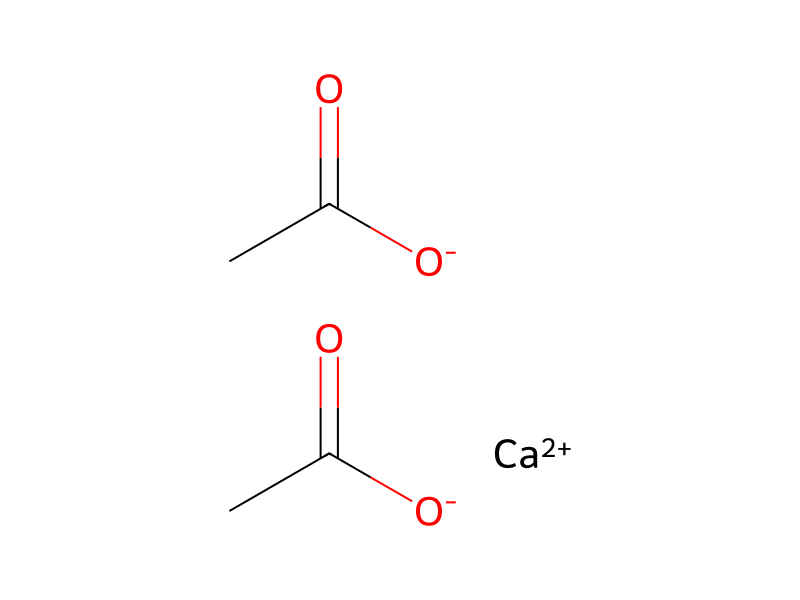
[CH:1]([CH:3]1[CH2:5][C:4]1([C:10]([O:12][CH3:13])=[O:11])[C:6]([O:8][CH3:9])=[O:7])=[CH2:2].[O:14]1[CH:18]=[CH:17][C:16](CO)=[CH:15]1>C1(C=CC(O)=CC=1)O.C([O-])(=O)C.[Ca+2].C([O-])(=O)C.C([O-])(=O)C.C([O-])(=O)C.C([Sn+2]CCCC)CCC.CO>[CH:1]([CH:3]1[CH2:5][C:4]1([C:10]([O:12][CH2:13][C:16]1[CH:17]=[CH:18][O:14][CH:15]=1)=[O:11])[C:6]([O:8][CH3:9])=[O:7])=[CH2:2]Participants
Reactant 2


Product 1

Reagents, catalysts & solvents 4



Procedure
Dimethyl 2-vinylcyclopropane-1,1-dicarboxylate (79.5 g; 0.432 mol) was combined with 21.2 g (0.216 mol) (3-furyl)carbinol and heated to 165°-183° C. in the presence of 1.0 g hydroquinone, 1.0 g calcium acetate and 0.75 g dibutyltin diacetate. When the transalcoholysis was essentially complete, as determined by the amount of methanol recovered, heating was terminated. Gas chromatographic analysis of the reaction mixture confirmed that essentially all of the (3-furyl)carbinol was consumed. The reaction mixture was diluted with an equal volume of ethyl ether, filtered to remove insoluble catalyst residue and vacuum distilled to recover 31 g (57.4% yield) crude methyl (3-furyl)methyl 2-vinylcyclopropane-1,1-dicarboxylate. B.p. 97°-105° C. at 0.018 mm Hg. Infrared and nuclear magnetic resonance spectra were consistent with the desired structure.
Workup
- customrecovered
- temperatureheating
- customwas terminated
- customwas consumed
- additionThe reaction mixture was diluted with an equal volume of ethyl ether
- filtrationfiltered
- customto remove insoluble catalyst residue and vacuum
- distillationdistilled
Sources & evidence
- ORD record
- ord-f8147c682f2e4055b22855b4454c0ae4
- Source dataset
- uspto-grants-1983_04
- Patent number
- US04380656
Reaction notes
Loading…