N-(2-Chloro-3-pyridinyl)-4-(methylamino)-N,1,3-trimethyl-1H-pyrazole-5-carboxamide → 1,4,9,10-Tetrahydro-1,3,4,9-tetramethyl-pyrazolo[4,3-e]pyrido[3,2-b][1,4]diazepin-10-one
Reaction equation

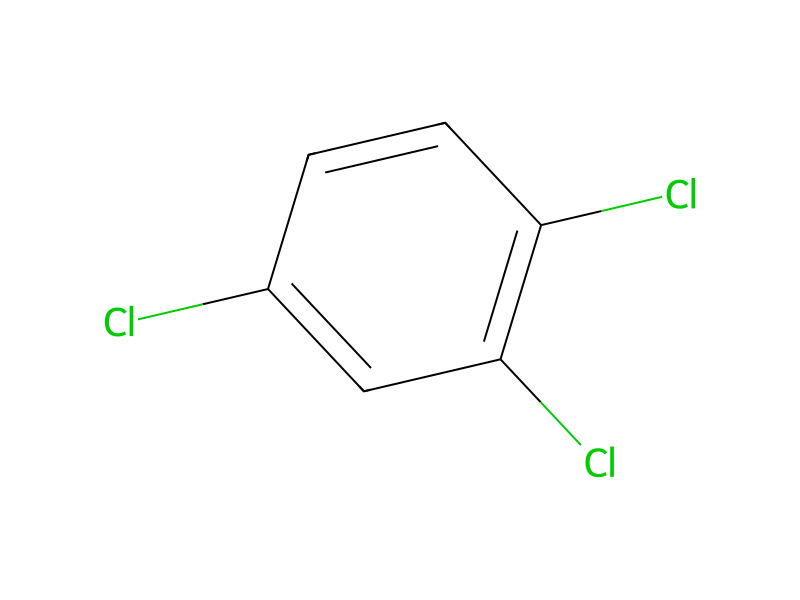
Cl[C:2]1[C:7]([N:8]([CH3:20])[C:9]([C:11]2[N:15]([CH3:16])[N:14]=[C:13]([CH3:17])[C:12]=2[NH:18][CH3:19])=[O:10])=[CH:6][CH:5]=[CH:4][N:3]=1>ClC1C=CC(Cl)=CC=1Cl>[CH3:16][N:15]1[C:11]2[C:9](=[O:10])[N:8]([CH3:20])[C:7]3[CH:6]=[CH:5][CH:4]=[N:3][C:2]=3[N:18]([CH3:19])[C:12]=2[C:13]([CH3:17])=[N:14]1Participants
3


Procedure
An amount of 5.9 gm of N-(2-chloro-3-pyridinyl)-N-methyl-1,3-dimethyl-4-methylamino-1H-pyrazole-5-carboxamide was stirred in 6 ml of 1,2,4-trichlorobenzene for 5 hours at 180° C. After cooling, the crystal slurry was subjected to suction filtration, washed with cyclohexane, and recrystallized from aqueous ethanol.
Workup
- temperatureAfter cooling
- filtrationthe crystal slurry was subjected to suction filtration
- washwashed with cyclohexane
- customrecrystallized from aqueous ethanol
Sources & evidence
- ORD record
- ord-93fa853a05ba40b7b378cc9f29414012
- Source dataset
- uspto-grants-1983_04
- Patent number
- US04381303
Reaction notes
Loading…