Triethylamine → 10-[(2-Methylpropanoyl)oxy]-4-oxo-6,7-dihydro-4H-pyrimido[2,1-a]isoquinoline-3-carboxylic acid
Reaction equation

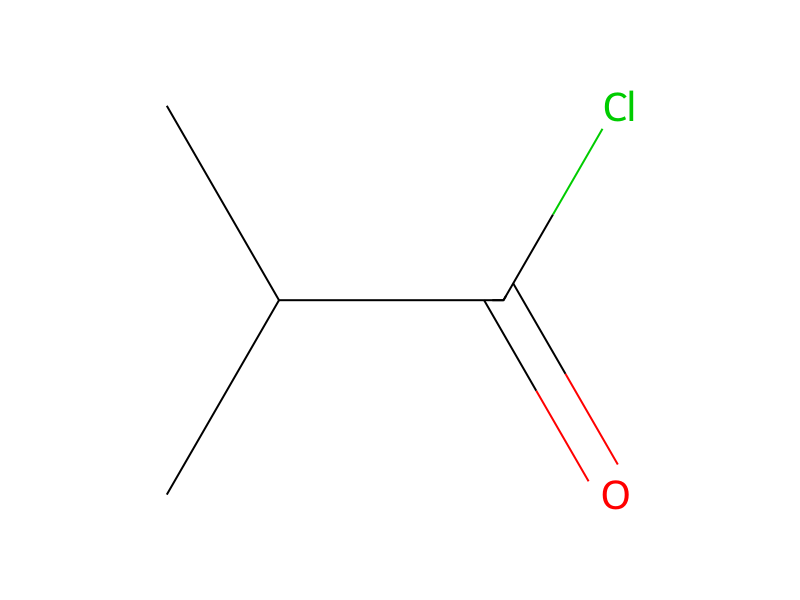
[C:1](Cl)(=[O:5])[CH:2]([CH3:4])[CH3:3].[OH:7][C:8]1[CH:17]=[C:16]2[C:11]([CH2:12][CH2:13][N:14]3[C:21](=[O:22])[C:20]([C:23]([OH:25])=[O:24])=[CH:19][N:18]=[C:15]32)=[CH:10][CH:9]=1.C(N(CC)CC)C>C(Cl)Cl>[C:1]([O:7][C:8]1[CH:17]=[C:16]2[C:11]([CH2:12][CH2:13][N:14]3[C:21](=[O:22])[C:20]([C:23]([OH:25])=[O:24])=[CH:19][N:18]=[C:15]32)=[CH:10][CH:9]=1)(=[O:5])[CH:2]([CH3:4])[CH3:3]Participants
5




Procedure
Isobutyryl chloride (455 mg., 4.26 mmoles) was added to a stirred, cooled (ice-water) mixture of 6,7-dihydro-10-hydroxy-4-oxo-4H-pyrimido[2,1-a]isoquinoline-3-carboxylic acid (1.03 g., 3.87 mmoles) and triethylamine (785 mg., 7.75 mmoles) in methylene chloride (20 ml.). The mixture was concentrated to dryness and the residue was triturated with cold 1N HCl, and then crystallized from benzene to give the title compound 0.81 g. (64% yield). The product was recrystallized successively from ethyl acetate and methanol to give the analytical sample, m.p. 183°-185°.
Workup
- temperaturecooled
- concentrationThe mixture was concentrated to dryness
- customthe residue was triturated with cold 1N HCl
- customcrystallized from benzene
Sources & evidence
- ORD record
- ord-5feccf620b88479ba556e3f48bce9ab7
- Source dataset
- uspto-grants-1978_11
- Patent number
- US04127720
Reaction notes
Loading…