Diisopropylethylamine → HCID 20092833, compound
Reaction equation

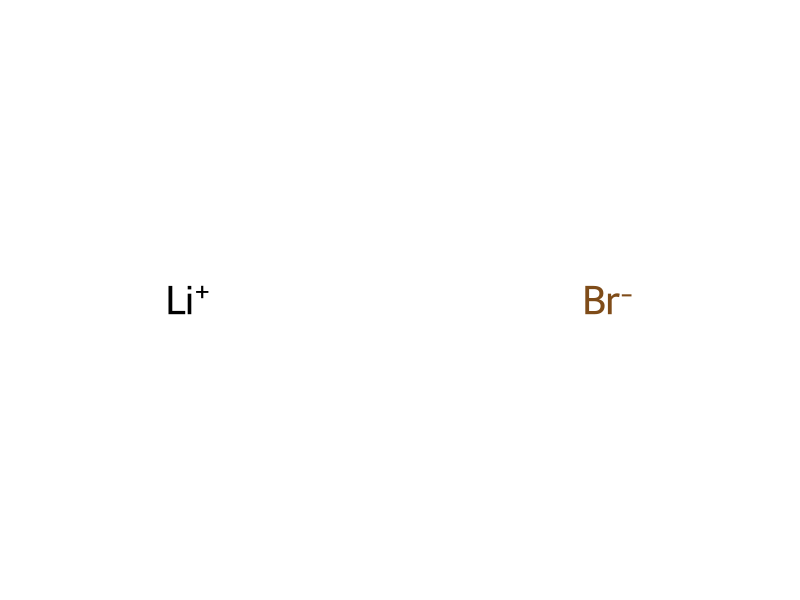
[O:1]=[C:2]([CH2:9][CH2:10][CH3:11])[CH2:3][C:4]([O:6][CH2:7][CH3:8])=[O:5].[C:12]([C:14]1[CH:18]=[CH:17][S:16][C:15]=1[C:19]1[CH:26]=[CH:25][C:22]([CH2:23]Br)=[CH:21][CH:20]=1)#[N:13].[Br-].[Li+].C(N(C(C)C)CC)(C)C>O1CCCC1.O>[C:12]([C:14]1[CH:18]=[CH:17][S:16][C:15]=1[C:19]1[CH:26]=[CH:25][C:22]([CH2:23][CH:3]([C:2](=[O:1])[CH2:9][CH2:10][CH3:11])[C:4]([O:6][CH2:7][CH3:8])=[O:5])=[CH:21][CH:20]=1)#[N:13]Participants





Procedure
11 g of ethyl 3-oxohexanoate are dissolved in 150 ml of tetrahydrofuran. 12.9 g of 4-(3-cyano-2-thienyl)benzyl bromide and 6.1 g of lithium bromide are added and the mixture is stirred at room temperature. 24.2 ml of diisopropylethylamine are then added dropwise. After the addition is complete, the reaction mixture is brought to reflux for 24 hours. After evaporation under vacuum, the residue obtained is taken up with water and then extracted with chloroform. The organic phase is dried and then evaporated under vacuum. The excess ethyl 3-oxohexanoate is removed using a vane pump. 16.4 g of ethyl 2-[4-(3-cyano-2-thienyl)benzyl]-3-oxohexanoate are thereby obtained in the form of a pale yellow oil, which is used without further purification for the next step.
Workup
- additionAfter the addition
- temperatureto reflux for 24 hours
- customAfter evaporation under vacuum
- customthe residue obtained
- extractionextracted with chloroform
- customThe organic phase is dried
- customevaporated under vacuum
- customThe excess ethyl 3-oxohexanoate is removed
Sources & evidence
- ORD record
- ord-32a753fc1d9346d9b8101f2475a46e32
- Source dataset
- uspto-grants-1994_10
- Patent number
- US05358950
Reaction notes
Loading…