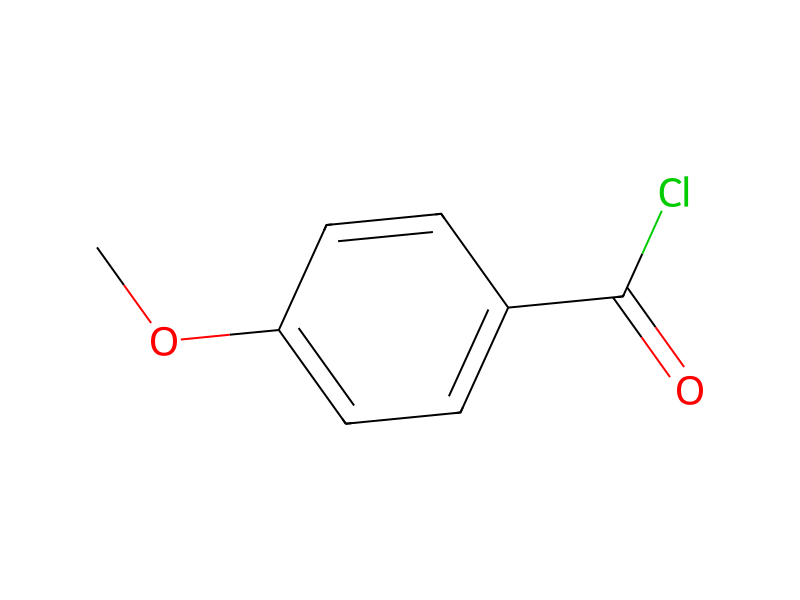
p-Anisoyl chloride → HCID 14983037, compound
Reaction equation

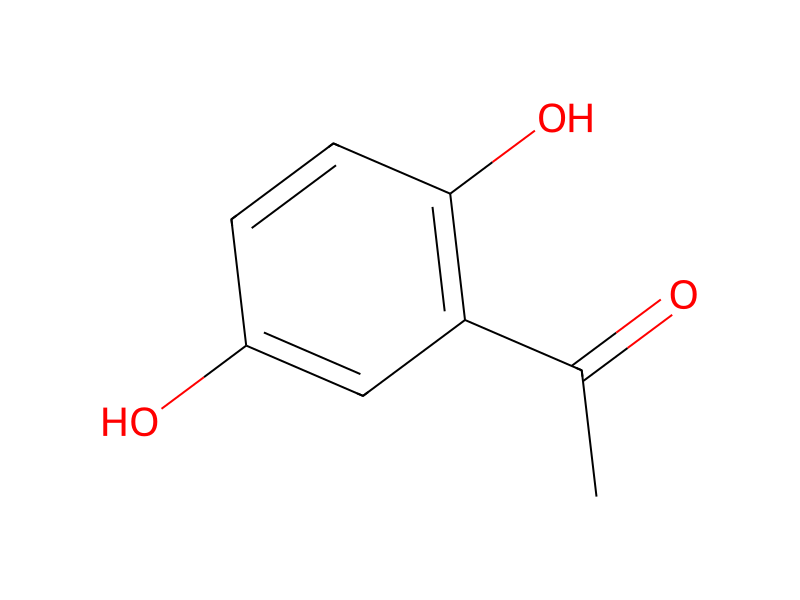
[OH:1][C:2]1[CH:7]=[CH:6][C:5]([OH:8])=[CH:4][C:3]=1[C:9](=[O:11])[CH3:10].[CH3:12][O:13][C:14]1[CH:22]=[CH:21][C:17]([C:18](Cl)=O)=[CH:16][CH:15]=1.Br[CH2:24][CH2:25][CH2:26][CH2:27][CH2:28][CH2:29]Cl.[OH:31][CH:32]1[CH2:37][CH2:36][NH:35][CH2:34][CH2:33]1>>[OH:31][CH:32]1[CH2:37][CH2:36][N:35]([CH2:24][CH2:25][CH2:26][CH2:27][CH2:28][CH2:29][O:8][C:5]2[CH:6]=[CH:7][C:2]3[O:1][C:18]([C:17]4[CH:21]=[CH:22][C:14]([O:13][CH3:12])=[CH:15][CH:16]=4)=[CH:10][C:9](=[O:11])[C:3]=3[CH:4]=2)[CH2:34][CH2:33]1Participants
5


Procedure
The compound was prepared by a method similar to Example 11 from 2',5'-dihydroxyacetophenone, 4-methoxybenzoyl chloride, 1-bromo-6-chlorohexane, and 4-hydroxypiperidine: mp 134°-135° C.
Sources & evidence
- ORD record
- ord-163a829b502547cea38e0000e4d61a73
- Source dataset
- uspto-grants-1994_10
- Patent number
- US05359098
Reaction notes
Loading…