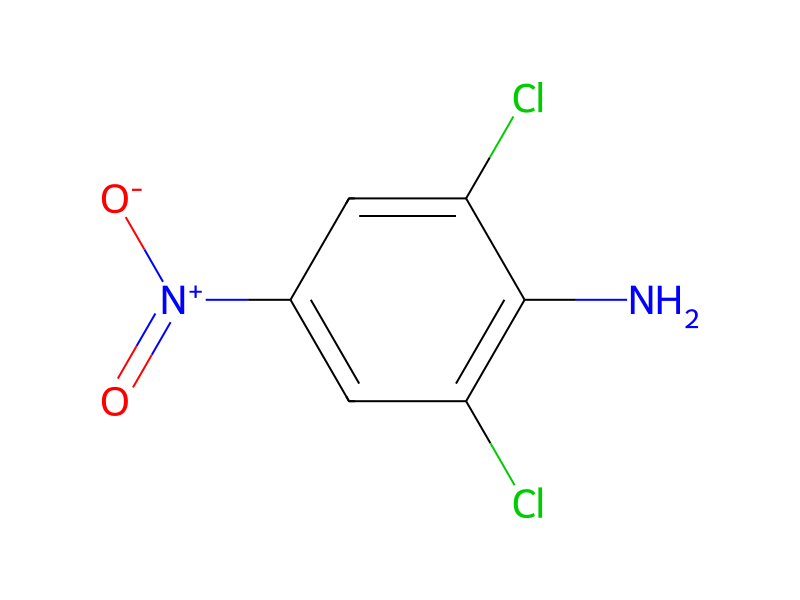
2,6-Dichloro-4-nitroaniline → HCID 23036559, compound
Reaction equation

S(Cl)([Cl:4])(=O)=O.Cl[C:7]1[CH:12]=C([N+]([O-])=O)C=[C:9]([Cl:16])[C:8]=1N1C=CC=C1.[Cl:22][C:23]1[CH:29]=[C:28]([N+:30]([O-:32])=[O:31])[CH:27]=[C:26]([Cl:33])[C:24]=1[NH2:25].COC1CCC(OC)O1.C(=O)(O)[O-].[Na+]>CCOCC>[Cl:16][C:9]1[N:25]([C:24]2[C:23]([Cl:22])=[CH:29][C:28]([N+:30]([O-:32])=[O:31])=[CH:27][C:26]=2[Cl:33])[C:12]([Cl:4])=[CH:7][CH:8]=1Participants
7




Procedure
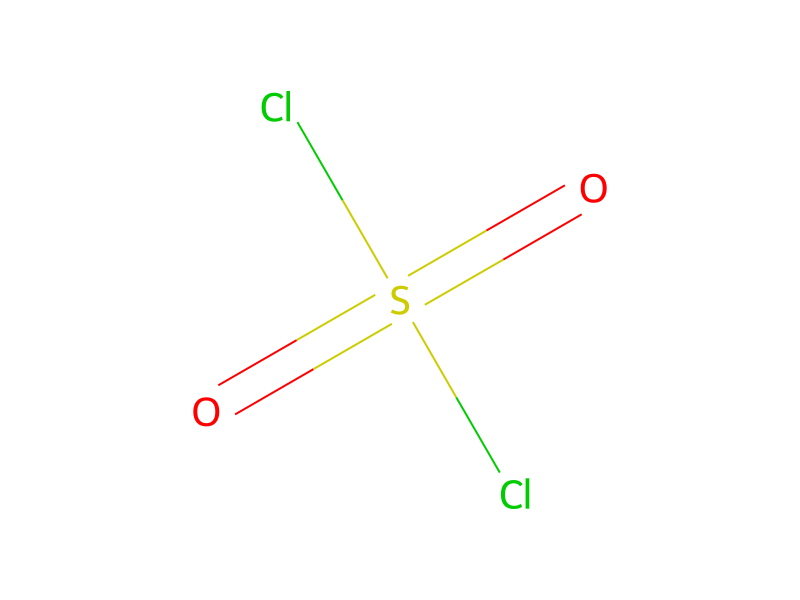
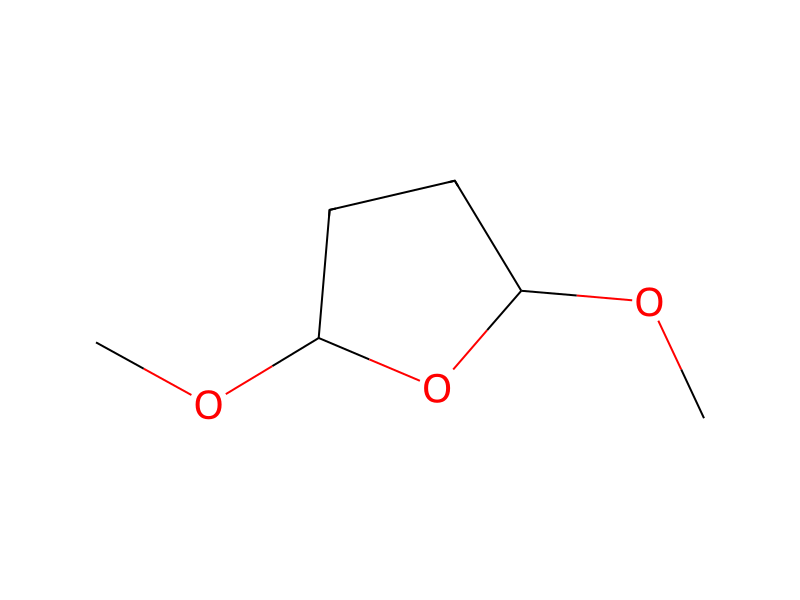
Sulfuryl chloride (4.68 g, 2.80 ml, 34.7 mmol) is added dropwise to 1-(2,6-dichloro-4-nitrophenyl)pyrrole (4.46 g, 17.4 mmol), prepared from 2,6-dichloro-4-nitroaniline and 2,5-dimethoxytetrahydrofuran following Example 12 procedures, in 20 ml of ether at 0°. After addition is completed, the mixture is stirred at RT for 60 hours. The reaction mixture is then poured into saturated aqueous sodium bicarbonate and extracted with ether. The combined organic layers are washed with brine, dried and stripped of solvent. The residue is purified by prep. TLC to give 2,5-dichloro-1-(2,6-dichloro-4-nitrophenyl)pyrrole, which is reduced with 16% aq. titanium(III) chloride to give 3,5-dichloro-4-(2,5-dichloro-1-pyrrolyl)aniline.
Workup
- additionAfter addition
- extractionextracted with ether
- washThe combined organic layers are washed with brine
- customdried
- customThe residue is purified by prep
Sources & evidence
- ORD record
- ord-c48ea3a39766473cb70c6599afeadc61
- Source dataset
- uspto-grants-1990_08
- Patent number
- US04950678
Reaction notes
Loading…