Sodium hydride → trans-Ethyl 2-(pyridin-4-YL)cyclopropanecarboxylate
Reaction equation

[I-].[CH3:2][S+](C)(C)=O.[H-].[Na+].[H][H].[N:11]1[CH:16]=[CH:15][C:14](/[CH:17]=[CH:18]/[C:19]([O:21][CH2:22][CH3:23])=[O:20])=[CH:13][CH:12]=1>CS(C)=O>[N:11]1[CH:16]=[CH:15][C:14]([C@@H:17]2[CH2:2][C@H:18]2[C:19]([O:21][CH2:22][CH3:23])=[O:20])=[CH:13][CH:12]=1Participants
Reactant 4

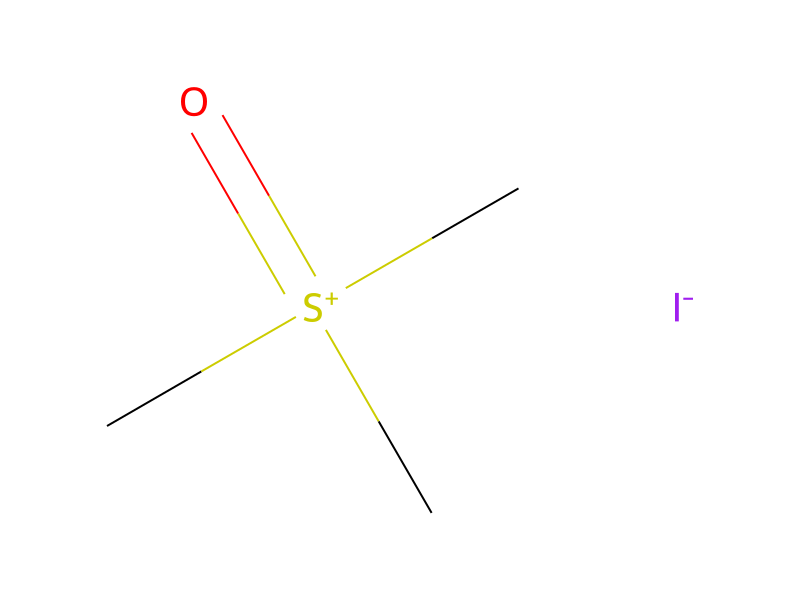


Product 1

Reagents, catalysts & solvents 1

Procedure
Trimethylsulfoxonium iodide (2.37 g, 10.8 mmol) and sodium hydride (60% in mineral oil, 0.431 g, 10.8 mmol) were combined and stirred under an atmosphere of argon. To these solids was added DMSO (40 mL) dropwise via addition funnel over 10 min. Hydrogen gas evolved and the solution turned cloudy. To this cloudy solution was added ethyl (2E)-3-pyridin-4-ylacrylate (1.42 g, 8.01 mmol) in DMSO (60 mL) dropwise over 20 min. The reaction mixture was allowed to stir at rt for 18 h. The reaction was quenched by the addition of water. The solution was diluted with Et 20 and the aqueous and organic solutions were separated. The aqueous solution was extracted with Et2O. The combined organic solutions were washed with brine, dried over Na2SO4, filtered and concentrated. The residue was purified by column chromatography to give ethyl trans-2-pyridin-4-ylcyclopropanecarboxylate (1.58 g, 52%). LCMS: (FA) ES+ 192.3.
Workup
- additiondropwise via addition funnel over 10 min
- stirringto stir at rt for 18 h
- customThe reaction was quenched by the addition of water
- additionThe solution was diluted with Et 20
- customthe aqueous and organic solutions were separated
- extractionThe aqueous solution was extracted with Et2O
- washThe combined organic solutions were washed with brine
- dry with materialdried over Na2SO4
- filtrationfiltered
- concentrationconcentrated
- customThe residue was purified by column chromatography
Sources & evidence
- ORD record
- ord-53518fbd8632492994ed6e892d6d20f9
- Source dataset
- uspto-grants-2010_09
- Patent number
- US07795249B2
Reaction notes
Loading…