Hydrochloric Acid → Propyl 5-ethyl-3-pyridinecarboximidate
Reaction equation

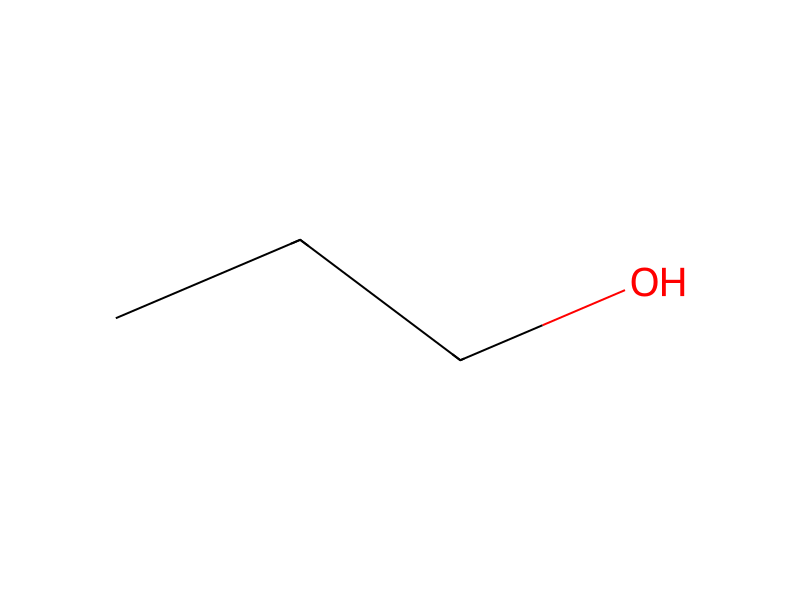
[C:1]([C:3]1[CH:4]=[N:5][CH:6]=[C:7]([CH2:9][CH3:10])[CH:8]=1)#[N:2].Cl.[CH2:12]([OH:15])[CH2:13][CH3:14]>>[CH2:9]([C:7]1[CH:8]=[C:3]([C:1](=[NH:2])[O:15][CH2:12][CH2:13][CH3:14])[CH:4]=[N:5][CH:6]=1)[CH3:10]Participants
4



Procedure
After 3-cyano-5-ethylpyridine (2.07 g, 15.7 mmol) was dissolved in 1-propanol (80 ml) and hydrogen chloride gas was passed into the solution for 30 minutes, the reactor was tight sealed and the mixture was stirred at room temperature for 30 hours. After the completion of the reaction, the reaction mixture was concentrated under reduced pressure, and the residue was neutralized with a saturated aqueous sodium carbonate solution and extracted with chloroform (100 ml×3). The chloroform layer was washed with saturated brine, dried over anhydrous sodium sulfate and concentrated under reduced pressure to give a crude product of propyl 5-ethyl-3-pyridinecarboximidate (2.94 g).
Workup
- customthe reactor was tight sealed
- customAfter the completion of the reaction
- concentrationthe reaction mixture was concentrated under reduced pressure
- extractionextracted with chloroform (100 ml×3)
- washThe chloroform layer was washed with saturated brine
- dry with materialdried over anhydrous sodium sulfate
- concentrationconcentrated under reduced pressure
Sources & evidence
- ORD record
- ord-6ae4a9b8a7084156bd503d84b893bf5f
- Source dataset
- uspto-grants-1996_04
- Patent number
- US05508293
Reaction notes
Loading…