3,4-Dichlorophenyl isocyanate → HCID 54685829, compound
Reaction equation

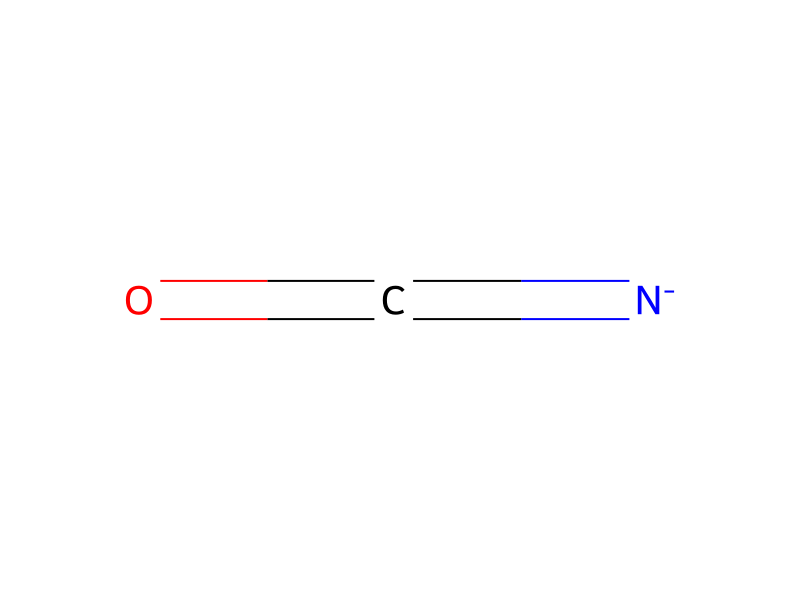
[OH:1][C:2]1[C:7]2[CH:8]=[CH:9][CH:10]=[CH:11][C:6]=2[O:5][C:4](=[O:12])[CH:3]=1.C(N(CC)CC)C.[Cl:20][C:21]1[CH:22]=[C:23]([N:28]=[C:29]=[O:30])[CH:24]=[CH:25][C:26]=1[Cl:27].[N-]=C=O>CC(C)=O>[Cl:20][C:21]1[CH:22]=[C:23]([CH:24]=[CH:25][C:26]=1[Cl:27])[NH:28][C:29]([C:3]1[C:4](=[O:12])[O:5][C:6]2[CH:11]=[CH:10][CH:9]=[CH:8][C:7]=2[C:2]=1[OH:1])=[O:30]Participants
6
Reactant 4



Product 1

Reagents, catalysts & solvents 1

Procedure
To 8.1 g (0.05 mole) of 4-hydroxy-2-oxo-2H-1-benzopyran dissolved in 200 ml acetone is added 5.6 g (0.05 mole) of triethylamine, followed by the addition of 3,4-dichlorophenyl isocyanate. The mixture is heated to reflux, and in 1/2 hour none of the isocyanate is left as determined by infra-red. The acetone solution is concentrated and the yellow viscous liquid is taken up in chloroform and washed with dilute hydrochloric acid. A white solid precipitates from the chloroform-acid mixture and is collected by filtration. The insoluble white solid is slurried in boiling acetone to yield 11.0 g of pure white powder, the product, m.p. 227°C to 228°C.
Workup
- temperatureThe mixture is heated
- temperatureto reflux
- concentrationThe acetone solution is concentrated
- washwashed with dilute hydrochloric acid
- customA white solid precipitates from the chloroform-acid mixture
- filtrationis collected by filtration
Sources & evidence
- ORD record
- ord-32bc49917abe486383d7a7930e9ac412
- Source dataset
- uspto-grants-1976_11
- Patent number
- US03991204
Reaction notes
Loading…