Dimethyl Sulfoxide → Diallylamine
Reaction equation

Cl.[CH3:2][N:3]([CH2:7][CH:8]=[CH2:9])[CH2:4][CH:5]=[CH2:6].Cl.[CH2:11]([NH:14][CH2:15][CH:16]=[CH2:17])[CH:12]=[CH2:13].CS(C)=O.S(OOS([O-])(=O)=O)([O-])(=O)=O.[NH4+].[NH4+]>O>[CH3:2][N:3]([CH2:7][CH:8]=[CH2:9])[CH2:4][CH:5]=[CH2:6].[CH2:11]([NH:14][CH2:15][CH:16]=[CH2:17])[CH:12]=[CH2:13]Participants
7
Reactant 4

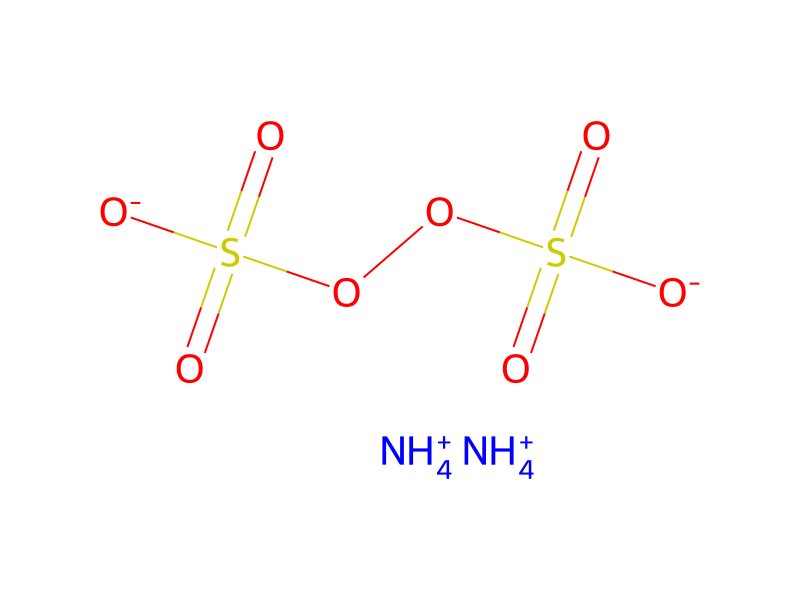


Product 2


Reagents, catalysts & solvents 1

Procedure
Part 1 A copolymer of N-methyl diallylamine and diallylamine is prepared according to the procedure of Example 1, Part 1, except that a mixture of 200 grams of N-methyl diallylamine hydrochloride and 50 grams of diallylamine hydrochloride is substituted for the 258 grams of diallylamine hydrochloride and 455 grams of dimethyl sulfoxide and 5 grams of ammonium persulfate are used. The copolymer (75 grams) is water-soluble, has an RSV of 0.2 and contains by NMR analysis 90 weight percent of N-methyl diallylamine hydrochloride.
Sources & evidence
- ORD record
- ord-0d9abe7c18a644f59f070b85630f8ca4
- Source dataset
- uspto-grants-1976_11
- Patent number
- US03992345
Reaction notes
Loading…