Sulfuric Acid → HCID 68139918, compound
Reaction equation

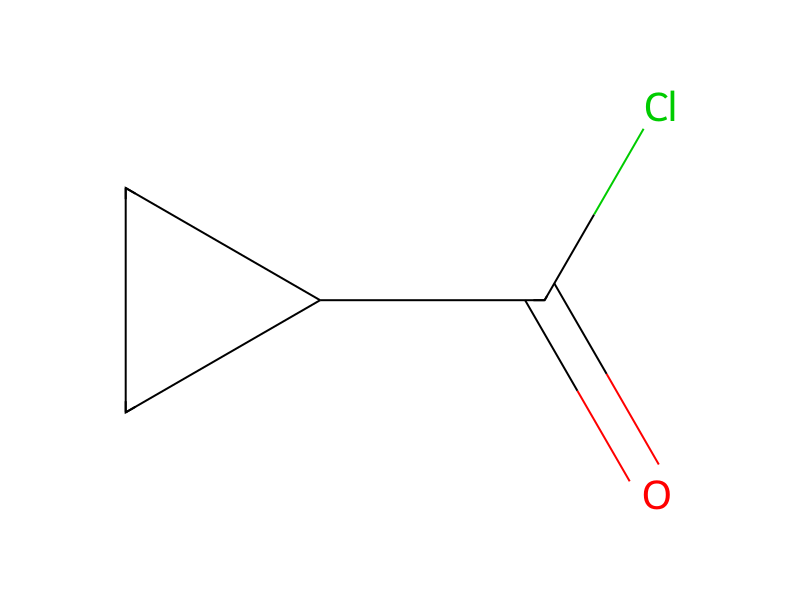
[CH:1]1([CH2:9][OH:10])[CH2:6][CH2:5][CH:4]([CH2:7][OH:8])[CH2:3][CH2:2]1.CC[O:13]CC.[CH:16]1([C:19](Cl)=[O:20])[CH2:18][CH2:17]1.S(=O)(=O)(O)O>CCCCC.O.N1C=CC=CC=1>[CH:1]1([C:9]([OH:10])=[O:13])[CH2:6][CH2:5]1.[CH:16]1([C:19]([OH:20])=[O:8])[CH2:18][CH2:17]1.[CH2:9]=[C:1]1[CH2:6][CH2:5][C:4](=[CH2:7])[CH2:3][CH2:2]1Participants
8







Procedure
To a solution of 2.88 g. of 1,4-cyclohexanedimethanol in 100 ml. ether is added 5.3 g, of cyclopropanecarboxylic acid chloride. Upon the addition of 4.8 g. of pyridine, a precipitate forms immediately, accompanied by the evolution of a small amount of heat. The reaction mixture is stirred for one hour, water and pentane are added, the mixture is acidified with 3 N sulfuric acid, the organic phase is separated and then washed with water, potassium carbonate, saturated aqueous copper sulfate, water and brine. The solution is then dried and solvent removed to yield 1,4-dimethylenecyclohexane bis(cyclopropanecarboxylate). The above product can also be named as (1,4-bis(cyclopropylcarbonyloxymethyl)cyclohexane) ##SPC2##
Workup
- additionUpon the addition of 4.8 g
- temperatureof heat
- customthe organic phase is separated
- washwashed with water, potassium carbonate, saturated aqueous copper sulfate, water and brine
- customThe solution is then dried
- customsolvent removed
Sources & evidence
- ORD record
- ord-ebc5fdb6ee1c42cb9b82fc8baf4d6406
- Source dataset
- uspto-grants-1976_11
- Patent number
- US03995054
Reaction notes
Loading…