Diethyl Ether → Chloral
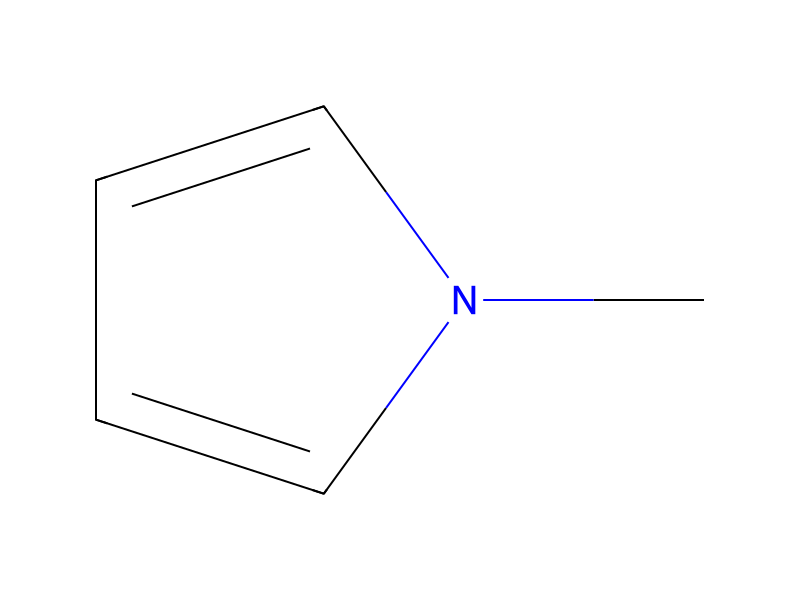
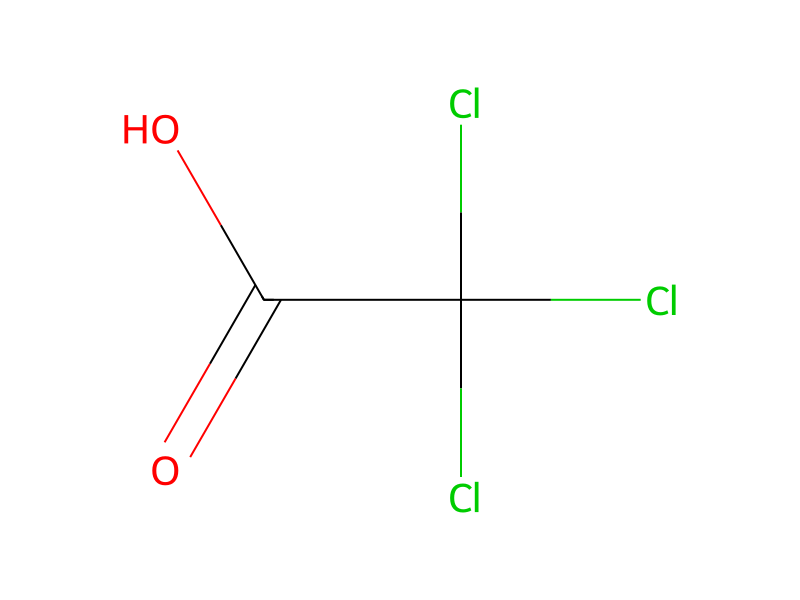
Reaction equation

C([O:3]CC)C.O1CCOCC1.[O:12]=[CH:13][C:14]([Cl:17])([Cl:16])[Cl:15].CN1C=CC=C1>CCCCCC.C1(C)C=CC=CC=1.C1C=CC=CC=1.C1COCC1>[Cl:15][C:14]([Cl:17])([Cl:16])[C:13]([OH:3])=[O:12].[O:12]=[CH:13][C:14]([Cl:17])([Cl:16])[Cl:15]Participants







Procedure
In the first process of this invention, it is essential to react the pyrrole reactant with trihaloacetaldehyde to produce the adduct (II). 1-Methyl-2-(2',2',2'-trihalo-1'-hydroxyethyl)pyrrole (Formula (II); R=methyl) obtained using 1-methylpyrrole in this process is a known compound, and as to its synthetic method, it has been reported that 1-methylpyrrole is reacted with freshly distilled chloral in the presence of molecular quantities of zinc chloride, a Lewis acid [R. C. Blinn et al., J. Amer. Chem. Soc., 76, 37 (1954)]. However, it is difficult to use this process in industrial scale because the yield is very low such as only 26.5%. As a result of further studies on this process, the present inventors have found that it is possible to obtain the compound of the formula (II) in almost quantitative yield, by treating the reactants at from -10° C. to room temperature, without using added catalysts such as Lewis acid and the like. It was discovered that the rate of this reaction--which is preferably conducted in the presence of solvents which do not directly affect on the reaction, for example, ethereal solvents such as diethyl ether, dioxane, THF, and the like, and hydrocarbons such as benzene, toluene, hexane, and the like--is dependent on the origin (or the purity) of chloral used. Chloral from a freshly opened bottle did not react with N-methylpyrrole at room temperature and only after prolonged reflux (sometimes several days) was the adduct formed. In contrast, chloral from an old bottle reacted instantly at room temperature. Acting on the hypothesis that trichloroacetic acid, which is formed easily by the oxidation of chloral, does catalyze this reaction, the present inventors have found that the addition of organic acid such as trichloroacetic acid, acetic acid or p-toluenesulfonic acid to the reaction mixture accelerates this reaction. Among these three acids, p-toluene-sulfonic acid presently appears even more effective than the others. By conducting the process in the presence of a protonic acid added preferably in the form of either an organic acid or a cation exchange resin (e.g., Amberlyst), the adduct has been readily formed in almost quantitative yield.
Workup
- additionby treating the reactants at from -10° C. to room temperature
- additionwithout using added catalysts such as Lewis acid
- customIt was discovered that the rate of this reaction
- temperatureonly after prolonged reflux (sometimes several days)
- customformed
Sources & evidence
- ORD record
- ord-6aaea3a8629a404dac27050af883ad1f
- Source dataset
- uspto-grants-1980_12
- Patent number
- US04238396
Reaction notes
Loading…