Hydrochloric Acid → HCID 12374931, compound
Reaction equation

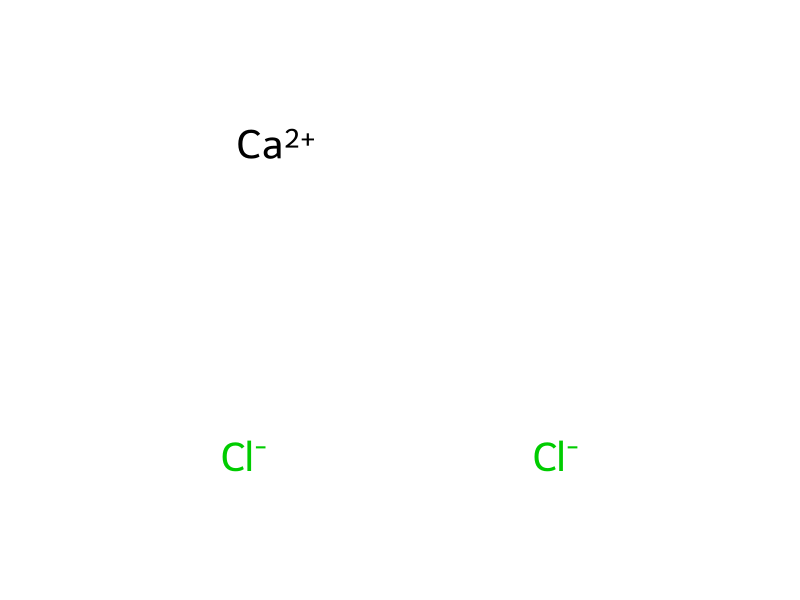
[ClH:1].[Cl:2][C:3]1[C:4]([O:21][CH3:22])=[CH:5][C:6]2[S:12][C:11]3[CH:13]=[C:14]([O:17][CH3:18])[CH:15]=[CH:16][C:10]=3[CH2:9][CH:8](O)[C:7]=2[CH:20]=1.[Cl-].[Ca+2].[Cl-]>C(Cl)Cl>[Cl:2][C:3]1[C:4]([O:21][CH3:22])=[CH:5][C:6]2[S:12][C:11]3[CH:13]=[C:14]([O:17][CH3:18])[CH:15]=[CH:16][C:10]=3[CH2:9][CH:8]([Cl:1])[C:7]=2[CH:20]=1Participants
5
Reactant 3


Product 1

Reagents, catalysts & solvents 1

Procedure
Anhydrous hydrogen chloride was passed at 0° C. into a stirred solution of the alcohol from the above experiment (22.5 g) in methylene chloride (500 ml) for 3 hours. Anhydrous calcium chloride (5 g) was added, the mixture stirred at room temperature for 3 hours and filtered. The filtrate was evaporated under diminished pressure, yielding 23.4 g of crude 8,10-dichloro-3,7-dimethoxy-10,11-dihydrodibenzo(b,f)-thiepine. The compound was crystallized from methylene chloride and melted in the pure state at 151°-153° C.
Workup
- filtrationfiltered
- customThe filtrate was evaporated under diminished pressure
Sources & evidence
- ORD record
- ord-0f1f94fc22c2488fb10fbde1318d9776
- Source dataset
- uspto-grants-1980_12
- Patent number
- US04238611
Reaction notes
Loading…