Chlorotrimethylsilane → HCID 19705217, compound
Reaction equation

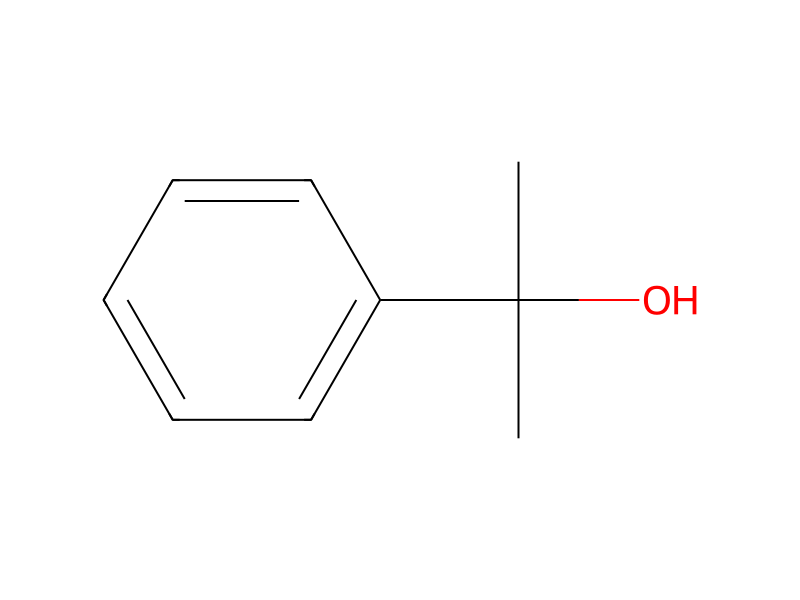
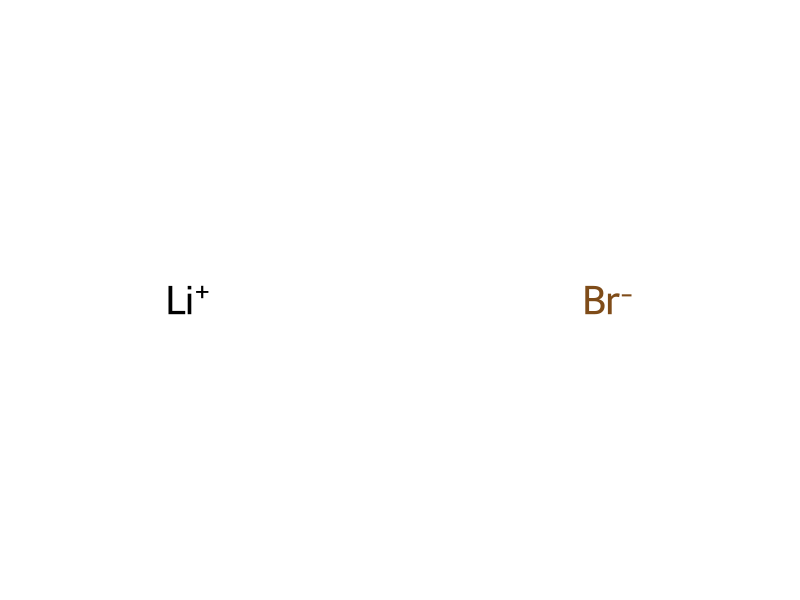
Br[C:2]([C:5]1[CH:10]=[CH:9][CH:8]=[CH:7][CH:6]=1)([CH3:4])[CH3:3].C1(C(O)(C)C)C=CC=CC=1.[Br-].[Li+].C[Si](Cl)(C)C.C1O[C:31]2([CH2:36][CH2:35][C:34](=[O:37])[CH2:33][CH2:32]2)OC1>C(#N)C.O1CCCC1>[C:5]1([C:2]([C:31]2[CH2:32][CH2:33][C:34](=[O:37])[CH2:35][CH:36]=2)([CH3:4])[CH3:3])[CH:10]=[CH:9][CH:8]=[CH:7][CH:6]=1Participants
Reactant 5



Product 1

Reagents, catalysts & solvents 2


Procedure
When n is the bridging group --C(CH3)2 --, an appropriately substituted or unsubstituted phenyl methyl ketone, for example, methyl (3-chlorophenyl) ketone, is prepared by the reaction of methylmagnesium bromide and an appropriate benzonitrile in tetrahydrofuran. The ketone is in turn treated with methylmagnesium bromide in tetrahydrofuran, yielding the corresponding 2-phenylpropan-2-ol, which is then converted to the 2-bromo-2-phenylpropane by the treatment of the alcohol with lithium bromide and trimethylsilyl chloride in acetonitrile. The Grignard reagent of the 2-bromo-2-phenylpropane is then prepared and reacted with 1,4-cyclohexanedione mono-ethylene ketal in tetrahydrofuran, yielding the corresponding 1-(2-phenylpropan-2-yl)-1-cyclohexen-4-one. The so-prepared cyclohexenone is reduced with hydrogen gas in the presence of 10% palladium on charcoal, yielding the 4-(2-phenylpropan-2-yl)cyclohexanone, which is in turn reacted with cyanoguanidine, as previously described, yielding the targeted 2,4-diamino-6-(2-phenylpropan-2-yl)-5,6,7,8-tetrahydroquinazoline. Example 7 provides a detailed description of how this reaction is conducted.
Sources & evidence
- ORD record
- ord-c4911b549fa9477aa0c051c2c4289da4
- Source dataset
- uspto-grants-1996_07
- Patent number
- US05536725
Reaction notes
Loading…