Ethyl Acetate → HCID 18785142, compound
Reaction equation

[C:1]([O:5][C:6]([N:8]1[C:12]2[C:13]([F:21])=[CH:14][C:15]([N+:18]([O-])=O)=[C:16]([CH3:17])[C:11]=2[N:10]=[CH:9]1)=[O:7])([CH3:4])([CH3:3])[CH3:2].C(OCC)(=O)C.C([O-])=O.[NH4+]>CO.[Pd]>[NH2:18][C:15]1[CH:14]=[C:13]([F:21])[C:12]2[N:8]([C:6]([O:5][C:1]([CH3:3])([CH3:4])[CH3:2])=[O:7])[CH:9]=[N:10][C:11]=2[C:16]=1[CH3:17]Participants
6
Reactant 3

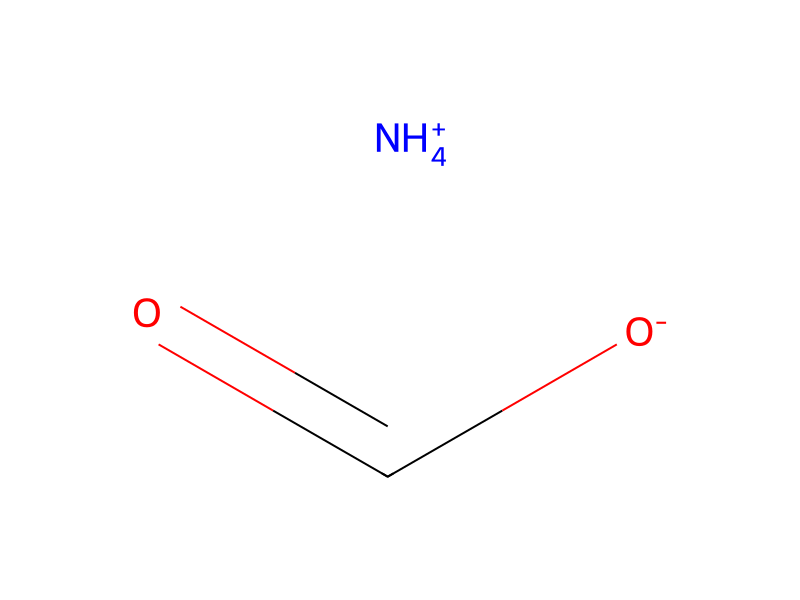

Product 1

Reagents, catalysts & solvents 2


Procedure
To a solution of 1-tert-butoxycarbonyl-7-fluoro-4-methyl-5-nitrobenzimidazole (0.776 g) in methanol (100 mL)/ethyl acetate (50 mL) is added palladium-on-carbon (10%, 0.1 g) and ammonium formate (0.663 g). The mixture is stirred at room temperature for 5 hours, then filtered on Celite, with methanol wash of the solids. The filtrate is rotary evaporated and the residue partitioned between water and ethyl acetate. The organic layer is dried over magnesium sulfate, filtered and rotary evaporated. The residue is purified by flash chromatography on silica gel, eluting with 25% ethyl acetate/hexane to afford 5-amino-1-tert-butoxycarbonyl-7-fluoro-4-methylbenzimidazole as a yellow oil.
Workup
- filtrationfiltered on Celite, with methanol
- washwash of the solids
- customThe filtrate is rotary evaporated
- customthe residue partitioned between water and ethyl acetate
- dry with materialThe organic layer is dried over magnesium sulfate
- filtrationfiltered
- customThe residue is purified by flash chromatography on silica gel
- washeluting with 25% ethyl acetate/hexane
Sources & evidence
- ORD record
- ord-bec840b6cb3f4b369d296466d667d8d6
- Source dataset
- uspto-grants-1996_07
- Patent number
- US05541210
Reaction notes
Loading…