Potassium Hydroxide → HCID 53933965, compound
Reaction equation

Cl[C:2]1[N:3]([C:9]2[CH:14]=[CH:13][CH:12]=[CH:11][C:10]=2[CH2:15][O:16][N:17]=[C:18]([C:20]2[CH:25]=[CH:24][CH:23]=[C:22]([C:26]([F:29])([F:28])[F:27])[CH:21]=2)[CH3:19])[C:4](=[O:8])[N:5]([CH3:7])[N:6]=1.FC(F)(F)C1C=C(C(=NO)C)C=CC=1.[OH-].[K+].[H-].[Na+].C[C:49](C)([O-:51])C>C1COCC1.CO>[CH3:49][O:51][C:2]1[N:3]([C:9]2[CH:14]=[CH:13][CH:12]=[CH:11][C:10]=2[CH2:15][O:16][N:17]=[C:18]([C:20]2[CH:25]=[CH:24][CH:23]=[C:22]([C:26]([F:29])([F:28])[F:27])[CH:21]=2)[CH3:19])[C:4](=[O:8])[N:5]([CH3:7])[N:6]=1Participants
Reactant 5



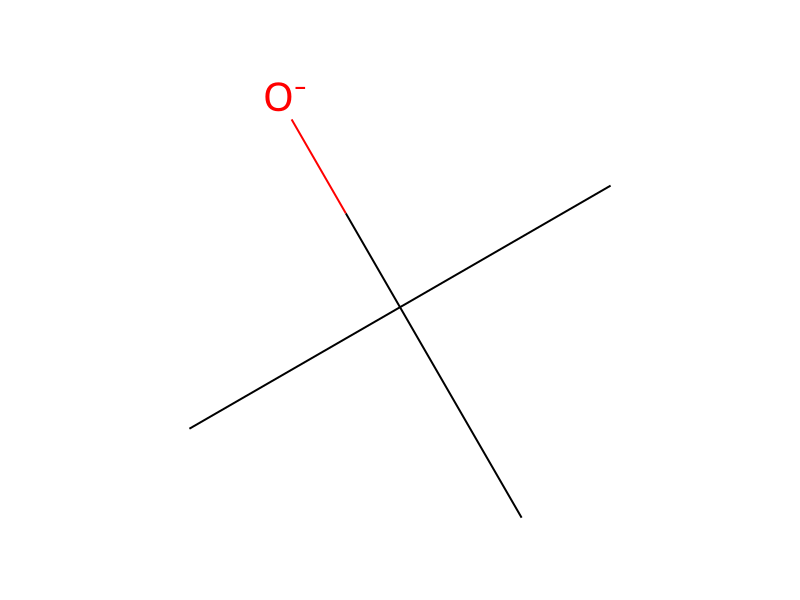

Product 1

Reagents, catalysts & solvents 2


Procedure
Examples of the combined processes of Steps 2 and 3 include the reaction of 5-chloro-2, 4-dihydro-2-methyl-4-[2-[[[[1-[3(trifluoromethyl)phenyl]-ethylidene]amino]oxy]methyl]phenyl]- 3H-1,2,4-triazol-3-one with 1-[3-(trifluoromethyl)phenyl]ethanone oxime in the presence of a base (e.g., KOH, NaH or K t-butoxide) in a suitable solvent (e.g., THF) and the subsequent reaction of the product of that reaction with methanol in the THF solution to form 2,4-dihydro-5-methoxy-2-methyl-4-[2-[[[[1-[3-(trifluoromethyl)phenyl]-ethylidene]amino]oxy]methyl]phenyl]- 3H-1,2,4-triazol-3-one; the reaction of 5-chloro-2, 4-dihydro-2-methyl-4-[2-[[[[1-[3(trifluoromethyl)phenyl]-ethylidene]amino]oxy]methyl]phenyl]- 3H-1,2,4-triazol-3-one with 1-[3,5-(bistrifluoromethyl)phenyl]ethanone oxime in the presence of a base and the subsequent reaction of the product of that reaction with methanol to form 5-chloro-2, 4-dihydro-2-methyl-4-[2-[[[[1-[3(trifluoromethyl)phenyl]-ethylidene]amino]oxy]methyl]phenyl]-3H-1,2,4-triazol-3-one.
Sources & evidence
- ORD record
- ord-500a69e1de044357914b0e51f8ae6535
- Source dataset
- uspto-grants-1999_10
- Patent number
- USH0001809
Reaction notes
Loading…