Nitrogen → Ethanone, 1-[3-(trifluoromethyl)phenyl]-, oxime
Reaction equation

S(=O)(=O)(O)O.[F:6][C:7]([F:16])([F:15])[C:8]1[CH:9]=[C:10]([CH:12]=[CH:13][CH:14]=1)N.N([O-])=O.[Na+].C([O-])(=O)C.[Na+].[CH:26](=[N:28][OH:29])[CH3:27].N#N>O.C([O-])(=O)C.[Cu+2].C([O-])(=O)C.S([O-])([O-])=O.[Na+].[Na+].C1(C)C=CC=CC=1>[F:6][C:7]([F:16])([F:15])[C:8]1[CH:9]=[C:10]([C:26](=[N:28][OH:29])[CH3:27])[CH:12]=[CH:13][CH:14]=1Participants
Reactant 6





Product 1

Reagents, catalysts & solvents 4

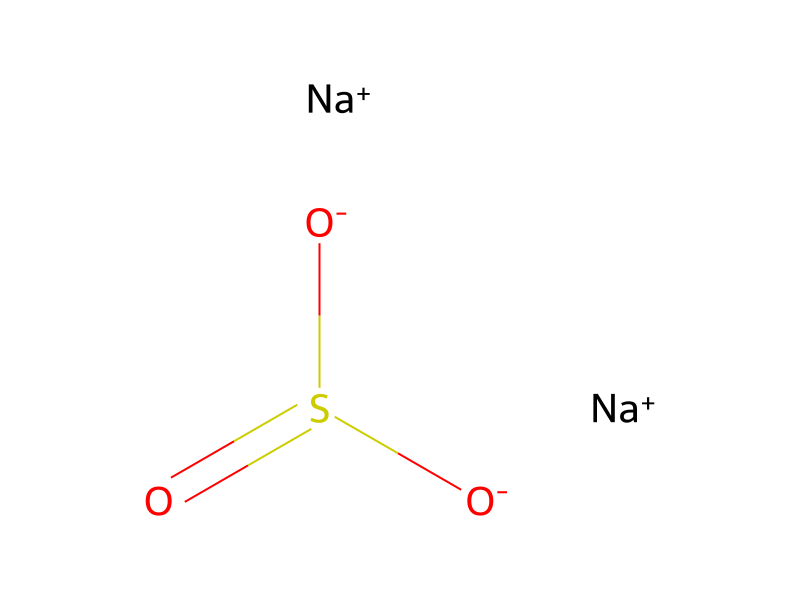


Conditions
- Temperature
- 65 °C
Procedure
To a three-neck indented, Morton style flask equipped with a sidearm for thermometer charged with 80 mL (240 mmol) of 3N sulfuric acid was added 10 mL (80 mmol) of 3-(trifluoromethyl)aniline (Aldrich Chemical Co.). The resulting suspension turned into a clear solution upon heating to 65° C. The solution was stirred vigorously and cooled to -5° C. using an acetone/ice bath to give a slurry. To the slurry was added a solution of 5.85 g (84.8 mmol) of sodium nitrite in 25 mL of water. The rate of addition was carefully adjusted so the internal reaction temperature was maintained between -5 and 0° C. The mixture was stirred at that temperature for 30 min. The diazonium thus obtained appears as a thin slurry. The slurry thickened when a solution of 20 g (244 mmol) of sodium acetate in 50 mL of water was added. Meanwhile, in another flask, 19 mL (320 mmol) of acetaldoxime, 1.50 g (8 mmol) of copper (II) acetate, 0.5 g (4 mmol) of sodium sulfite, and 20 g (244 mmol) of sodium acetate were combined and cooled to about 10° C. To this solution was added via a cannula or additional funnel the diazonium mixture. Immediate gas (N2) evolution was observed, and a two phase mixture (dark green oil and aqueous) was obtained. The mixture was stirred for 30 min before the reaction was worked up. To the mixture was added about 300 mL of toluene and the organic phase separated from the aqueous. The aqueous phase was extracted with another 100 mL of toluene. The combined toluene extracts (greenish color) were washed with 15% ammonium hydroxide solution (5×20 mL). Analysis using copper test strips from EM Science indicated the copper (I/II) content to be less than 10 ppm as compared to greater than 100 ppm before the ammonium hydroxide wash. The organic phase (orange color) was washed with 20 mL of brine and dried over magnesium sulfate. Removal of volatiles on the rotovap gave an orange oil which turned into a semi-solid upon fuirther drying on the vacuum pump to give 13.7 g (84%) of a solid product. In the analytical assay, it was found to contain 58.9% of the desired oxime product.
Workup
- customTo a three-neck indented, Morton style flask equipped with a sidearm for thermometer
- temperaturecooled to -5° C.
- customto give a slurry
- additionThe rate of addition
- temperaturewas maintained between -5 and 0° C
- stirringThe mixture was stirred at that temperature for 30 min
- additionwas added
- temperaturecooled to about 10° C
- customa two phase mixture (dark green oil and aqueous) was obtained
- stirringThe mixture was stirred for 30 min before the reaction
- customthe organic phase separated from the aqueous
- extractionThe aqueous phase was extracted with another 100 mL of toluene
- washwere washed with 15% ammonium hydroxide solution (5×20 mL)
- washwash
- washThe organic phase (orange color) was washed with 20 mL of brine
- dry with materialdried over magnesium sulfate
- customRemoval of volatiles on the rotovap
- customgave an orange oil which
- customupon fuirther drying on the vacuum pump
Sources & evidence
- ORD record
- ord-2506ef82c34045ffbc608980ef492124
- Source dataset
- uspto-grants-1999_10
- Patent number
- USH0001809
Reaction notes
Loading…