Methyl iodide → HCID 86754573, compound
Reaction equation

[Ag:1]=[O:2].[CH3:3][C:4]1[C@@H:21](O)[CH2:20][C@:16]2(O)[C:17](C)(C)[C:5]=1[C@@H](O)C([C@@]1(C)[C@H]([C@@H]2OC(C2C=CC=CC=2)=O)[C@]2(OC(C)=O)CO[C@@H]2C[C@@H]1O)=O.C1(C)C=CC=CC=1.[CH3:49][I:50].CI>>[Ag:1]=[O:2].[CH3:49][I:50].[C:4]1([CH3:3])[CH:21]=[CH:20][CH:16]=[CH:17][CH:5]=1Participants
5

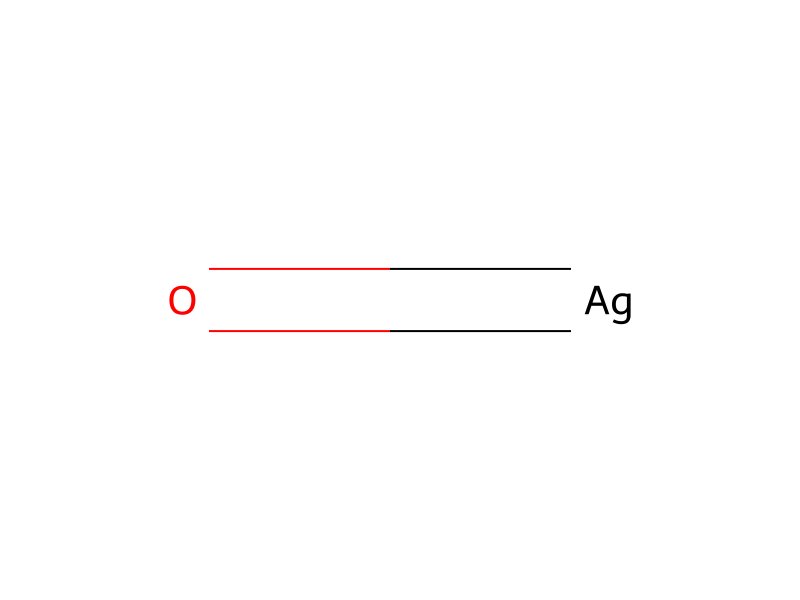


Conditions
- Temperature
- 60 °C
Procedure
Silver oxide (255 mg, 1.1 mmol, 2.2 equiv.) is added to a suspension of 10-deacetylbaccatin III (272 mg, 0.5 mmol) in a toluene/methyl iodide mixture (3/2; 2.5 ml) at 0° C. The mixture is allowed to return gradually to room temperature. After reaction for 5 h, the reaction mixture is heated to 60° C. After stirring for 24 h at 60° C, an excess of reagents is added: silver oxide (2×255 mg) and methyl iodide (2×1 ml). After heating for a further 36 hours, the reaction mixture is filtered through a sinter funnel and the filtrate is evaporated. According to the HPLC analysis, the reaction medium contains 11.5% (by internal standardization of the areas) of 7,10-dimethoxy-10-deacetylbaccatin.
Workup
- customto return gradually to room temperature
- customAfter reaction for 5 h
- additionan excess of reagents is added
- temperatureAfter heating for a further 36 hours
- filtrationthe reaction mixture is filtered through a sinter funnel
- customthe filtrate is evaporated
Sources & evidence
- ORD record
- ord-7fc7afa9ac4740b39f48d9d6c0c8c9ba
- Source dataset
- uspto-grants-1999_10
- Patent number
- US05962705
Reaction notes
Loading…