Pyridine → HCID 86754575, compound
Reaction equation

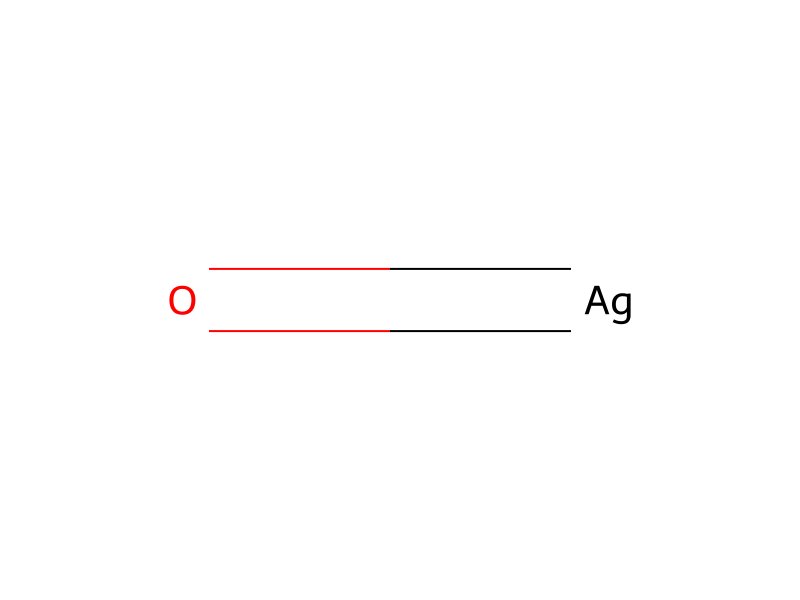
[N:1]1[CH:6]=[CH:5][CH:4]=[CH:3][CH:2]=1.[Ag:7]=[O:8].[CH3:9][C:10]1[C@@H:27](O)[CH2:26][C@:22]2(O)[C:23](C)(C)[C:11]=1[C@@H](O)C([C@@]1(C)[C@H]([C@@H]2OC(C2C=CC=CC=2)=O)[C@]2(OC(C)=O)CO[C@@H]2C[C@@H]1O)=O.C1(C)C=CC=CC=1.[CH3:55][I:56].CI>>[Ag:7]=[O:8].[CH3:55][I:56].[N:1]1[CH:6]=[CH:5][CH:4]=[CH:3][CH:2]=1.[C:10]1([CH3:9])[CH:27]=[CH:26][CH:22]=[CH:23][CH:11]=1Participants




Conditions
- Temperature
- 50 °C
Procedure
Pyridine (8 μl, 0.1 mmol, 0.2 equiv.) and then silver oxide (255 mg, 1.1 mmol, 2.2 equiv.) are successively added to a suspension of 10-deacetylbaccatin III (272 mg, 0.5 mmol) in a toluene/methyl iodide mixture (3/2; 2.5 ml) at room temperature. The reaction mixture is then heated to 50° C. After stirring for 24 h at 60° C., an excess of reagents is added: silver oxide (255 mg, 1.1 mmol, 2.2 equiv.), pyridine (80 μl, 1 mmol, 2 equiv.) and methyl iodide (1 ml). After heating for a further 24 h, the reaction mixture is filtered through a sinter funnel and the filtrate is diluted with ethyl acetate (40 ml). This phase is washed with brine (20 ml) separated, dried over sodium sulphate and evaporated (131 mg). According to the HPLC analysis, the crude reaction product contains 12.2% (by internal standardization of the areas) of 7,10-dimethoxy-10-deacetylbaccatin.
Workup
- additionan excess of reagents is added
- temperatureAfter heating for a further 24 h
- filtrationthe reaction mixture is filtered through a sinter funnel
- additionthe filtrate is diluted with ethyl acetate (40 ml)
- washThis phase is washed with brine (20 ml)
- customseparated
- dry with materialdried over sodium sulphate
- customevaporated (131 mg)
- customthe crude reaction product
Sources & evidence
- ORD record
- ord-a1cc9c63f6e84e94bb497f479431cf92
- Source dataset
- uspto-grants-1999_10
- Patent number
- US05962705
Reaction notes
Loading…