Potassium Carbonate → HCID 19007871, compound
Reaction equation

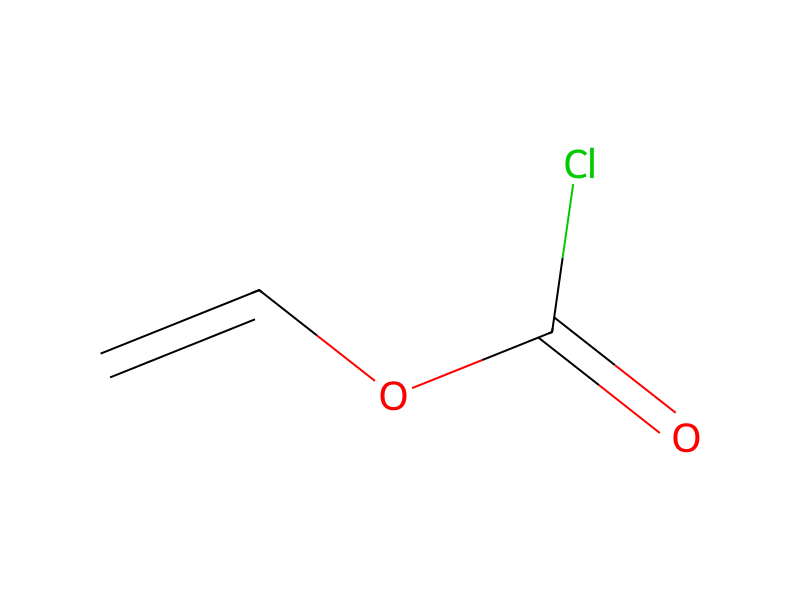
ClC(OC=C)=O.[S:7]1[C:11]2[CH:12]=[CH:13][CH:14]=[CH:15][C:10]=2[C:9]([CH:16]2[CH2:22][CH:21]3[N:23](C)[CH:18]([CH2:19][CH2:20]3)[CH2:17]2)=[N:8]1.C(=O)([O-])[O-].[K+].[K+]>ClCCCl>[S:7]1[C:11]2[CH:12]=[CH:13][CH:14]=[CH:15][C:10]=2[C:9]([CH:16]2[CH2:22][CH:21]3[NH:23][CH:18]([CH2:19][CH2:20]3)[CH2:17]2)=[N:8]1Participants
Reactant 3


Product 1

Reagents, catalysts & solvents 1

Procedure
Vinyl chloroformate (4.4 g) was added dropwise to a solution of 3-(1,2-benzisothiazol-3-yl)-8-methyl-8-azabicyclo[3.2.1]octane (8.9 g) and potassium carbonate (4.76 g) in 250 ml of 1,2-dichloroethane. The resulting suspension was heated at reflux for 3 hours, and then the solution was cooled, and the solvent was removed in vacuo. The residue was suspended in isopropyl alcohol and acidified with HCl in isopropanol (to about a pH of 1 ), and the mixture was heated at reflux for 1 hour. The mixture was cooled, made basic, and then the product was extracted into dichloromethane. The combined organic layers were dried over MgSO4, filtered and concentrated to provide 8.5 g of 3-(1,2-benzisothiazol-3-yl)-8-azabicyclo[3.2.1]octane which was used subsequently without purification.
Workup
- temperatureThe resulting suspension was heated
- temperatureat reflux for 3 hours
- temperaturethe solution was cooled
- customthe solvent was removed in vacuo
- temperaturewas heated
- temperatureat reflux for 1 hour
- temperatureThe mixture was cooled
- extractionthe product was extracted into dichloromethane
- dry with materialThe combined organic layers were dried over MgSO4
- filtrationfiltered
- concentrationconcentrated
Sources & evidence
- ORD record
- ord-7a0951c6940d4b23887a2a69cbcb9251
- Source dataset
- uspto-grants-1994_08
- Patent number
- US05334599
Reaction notes
Loading…