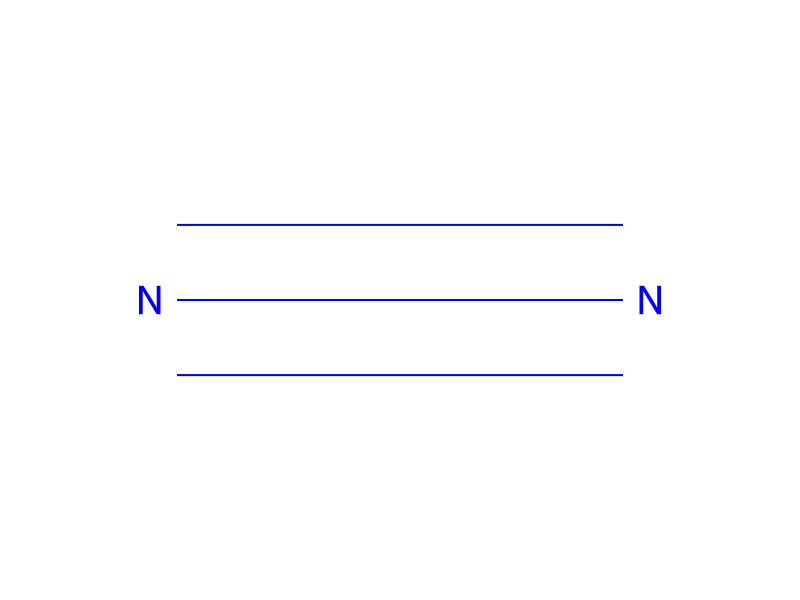
Nitrogen → HCID 54333605, compound
Reaction equation

N#N.Br[C:4]1[C:13]2[CH2:12][CH2:11][CH2:10][CH2:9][C:8]=2[C:7]([O:14][CH2:15][CH2:16][N:17]([CH3:19])[CH3:18])=[CH:6][CH:5]=1.C([Li])CCC.[B:25](OCC)([O:29]CC)[O:26]CC>O1CCCC1>[CH3:18][N:17]([CH2:16][CH2:15][O:14][C:7]1[C:8]2[CH2:9][CH2:10][CH2:11][CH2:12][C:13]=2[C:4]([B:25]([OH:29])[OH:26])=[CH:5][CH:6]=1)[CH3:19]Participants
Reactant 4



Product 1

Reagents, catalysts & solvents 1

Conditions
- Temperature
- -70 °C
Procedure
To a 1 L 3N round-bottomed flask equipped with septum and N2 inlet were added 8.55 g (28.7 mmol) 4-bromo-1-(2-dimethylaminoethoxy)-5,6,7,8-tetrahydro-naphthalene and 300 mL dry tetrahydrofuran. The solution was cooled to −70° C., and 13.8 mL (34.4 mmol) of a 2.5 M solution of butyl lithium in hexanes was added. The reaction was stirred at −70° C. for 1 h, then 5.9 mL (34.4 mmol) triethyl borate was added, and the reaction stirred at −70° C. for 2 h and warmed to room temperature overnight. The reaction was quenched with aqueous saturated ammonium chloride solution and extracted three times with ethyl acetate. The organic layer was washed with brine, dried over sodium sulfate, and evaporated. The residue was triturated with hexane to a white solid, 6.3 g (83.5%).
Workup
- stirringthe reaction stirred at −70° C. for 2 h
- temperaturewarmed to room temperature overnight
- customThe reaction was quenched with aqueous saturated ammonium chloride solution
- extractionextracted three times with ethyl acetate
- washThe organic layer was washed with brine
- dry with materialdried over sodium sulfate
- customevaporated
- customThe residue was triturated with hexane to a white solid, 6.3 g (83.5%)
Sources & evidence
- ORD record
- ord-245ebe5e16d64e71bd70110f079e6672
- Source dataset
- uspto-grants-2006_03
- Patent number
- US07012078B2
Reaction notes
Loading…