Oxygen → Cyclododecanol
Reaction equation

[CH2:1]1[CH2:12][CH2:11][CH2:10][CH2:9][CH2:8][CH2:7][CH2:6][CH2:5][CH2:4][CH2:3][CH2:2]1.[OH:13]N1[C:18](=O)[C:17]2=[CH:20][CH:21]=[CH:22][CH:23]=[C:16]2[C:15]1=[O:24].O=O>O.O.O.O.C([O-])(=O)C.[Co+2].C([O-])(=O)C.C(O)(=O)C>[C:1]1(=[O:13])[CH2:12][CH2:11][CH2:10][CH2:9][CH2:8][CH2:7][CH2:6][CH2:5][CH2:4][CH2:3][CH2:2]1.[CH:15]1([OH:24])[CH2:16][CH2:23][CH2:22][CH2:21][CH2:20][CH2:17][CH2:18][CH2:3][CH2:2][CH2:1][CH2:12]1Participants




Procedure
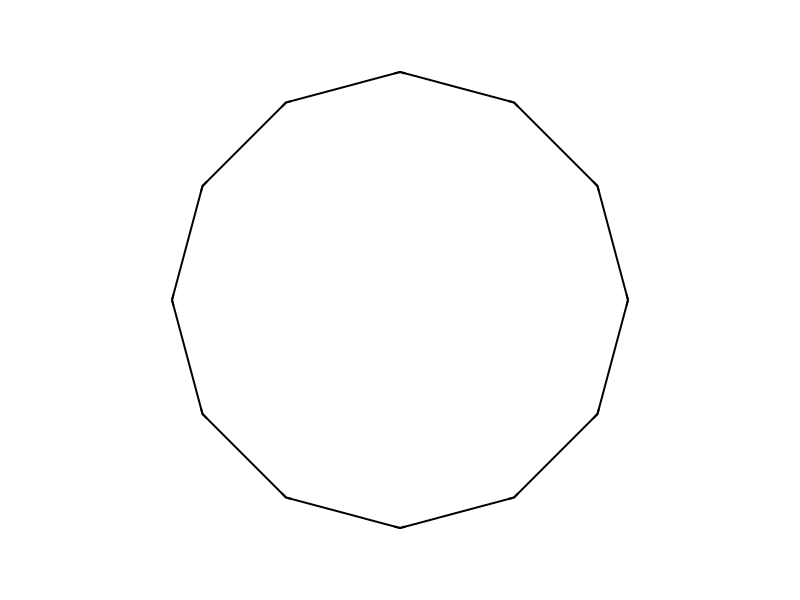
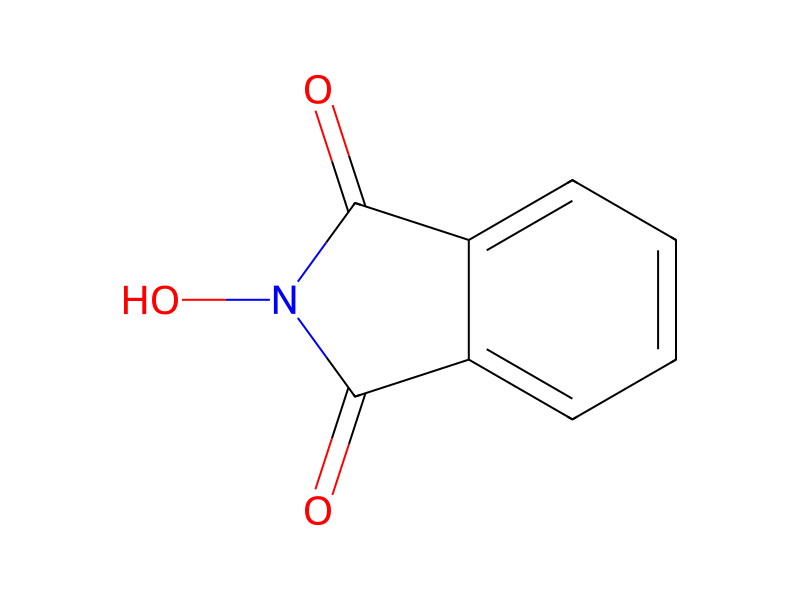
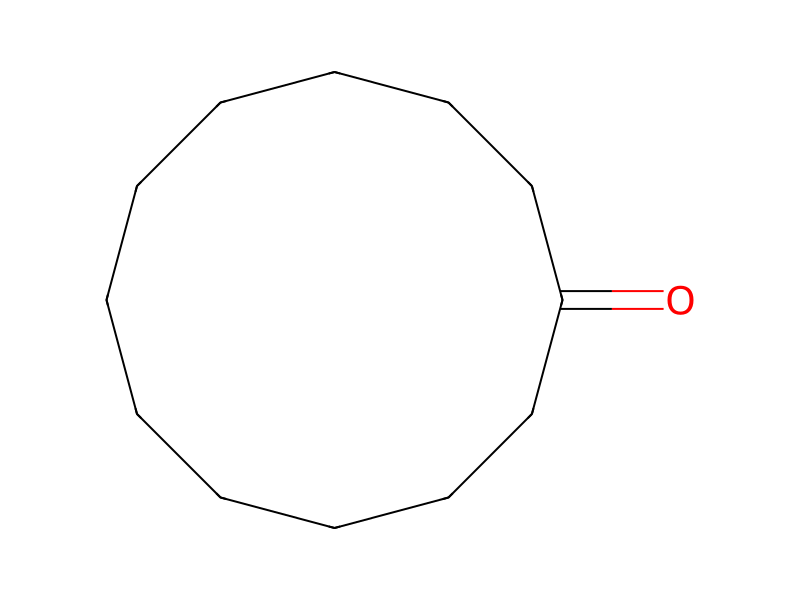
In a flask having an internal volume of 100 ml, 8.4 g (50 mmol) of cyclododecane, 4.52 g of acetic acid, 16.3 mg (0.1 mmol) of N-hydroxyphthalimide, 28.9 mg (0.1 mmol) of bis(acetylacetonato)manganese(II) dihydrate, and 2.0 mg (0.01 mmol) of cobalt(II) acetate tetrahydrate were placed, and an oxygen balloon was attached to the reactor. The liquid temperature was raised on an oil bath and was held at 100° C. The reaction was terminated by cooling 6 hours later. A reaction mixture was diluted with 60 g of acetic acid to thereby dissolve all of solid matters. The resulting solution was analyzed to find that a conversion from cyclododecane was 20.6% and a selectivity for dodecanedioic acid was 23.7%. In addition, cyclododecanone (selectivity: 7.3%) and cyclododecanol (selectivity: 13.1%) were by-produced.
Workup
- customIn a flask having
- temperatureThe liquid temperature was raised on an oil bath
- customwas held at 100° C
- customThe reaction was terminated
- temperatureby cooling 6 hours later
- additionA reaction mixture was diluted with 60 g of acetic acid
- dissolutionto thereby dissolve all of solid matters
Sources & evidence
- ORD record
- ord-cb86508fbfa6497bba763938d464c601
- Source dataset
- uspto-grants-2006_03
- Patent number
- US07015356B2
Reaction notes
Loading…