Iodine → 4-chloro-5-iodo-7-methyl-7H-pyrrolo[2,3-d]pyrimidine
Reaction equation

[Cl:1][C:2]1[C:3]2C=CN[C:4]=2[N:5]=[CH:6][N:7]=1.[OH-].[K+].[I:13]I.CI.S([O-])([O-])(=O)=S.[Na+].[Na+].[CH3:24][N:25]([CH:27]=O)[CH3:26]>>[Cl:1][C:2]1[C:3]2[C:4]([I:13])=[CH:27][N:25]([CH3:26])[C:24]=2[N:5]=[CH:6][N:7]=1Participants
7






Procedure
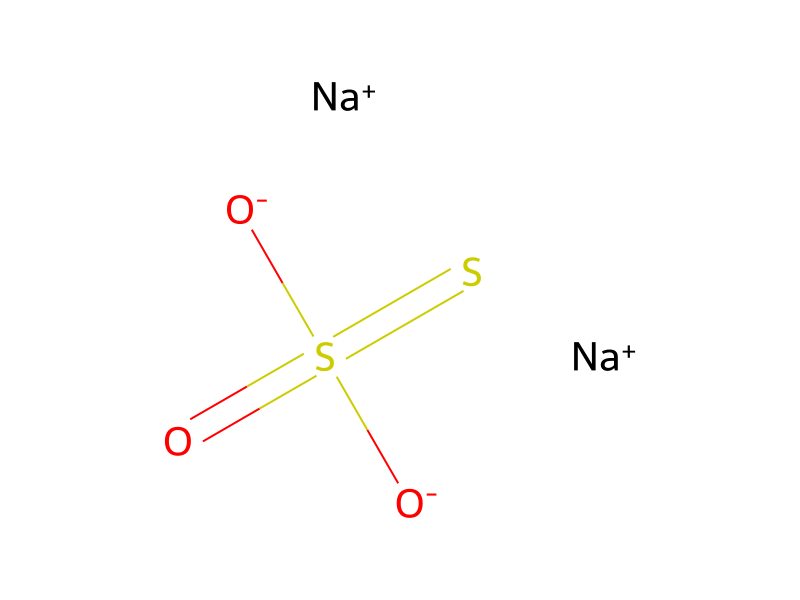
To a stirred solution of 4-chloro-7H-pyrrolo[2,3-d]pyrimidine (2 g, 13.0 mmol) in anhydrous DMF (40 ml) was added potassium hydroxide (2.19 g, 39.1 mmol) followed by iodine (3.64 g, 14.3 mmol). The mixture was stirred for 1 h. Methyl iodide (0.814 ml, 13.0 mmol) was added and the mixture stirred for a further 1 h. The mixture was poured into 20% w/w sodium thiosulfate solution (400 ml). The formed solid was collected by filtration and dried under vacuum to afford the title compound which was used without further purification. LCMS RT=1.12 min, [M(35Cl)+H]+=294.0, [M(37Cl)+H]+=295.9.
Workup
- stirringthe mixture stirred for a further 1 h
- filtrationThe formed solid was collected by filtration
- customdried under vacuum
Sources & evidence
- ORD record
- ord-3477b65130cc491db23210f21621b260
- Source dataset
- uspto-grants-2015_10
- Patent number
- US09156853B2
Reaction notes
Loading…