Triphenylphosphine → HCID 19605229, compound
Reaction equation

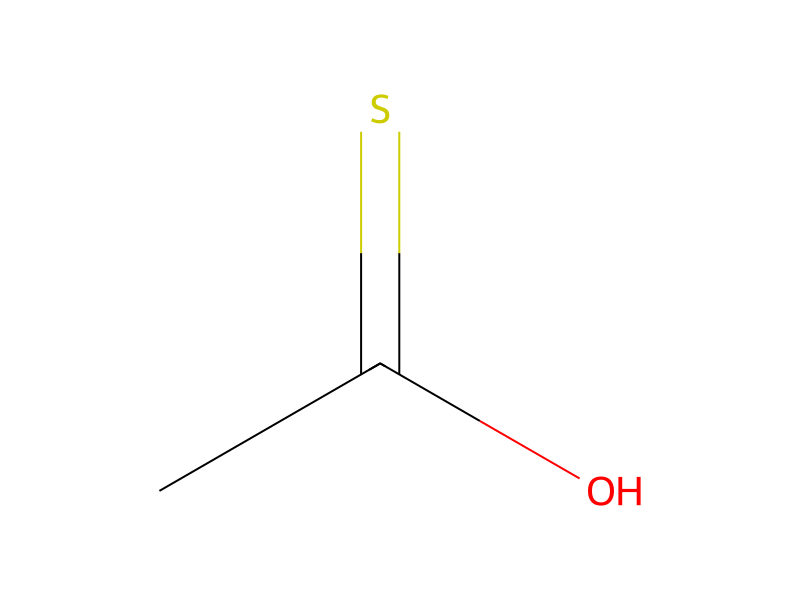
C1(P(C2C=CC=CC=2)C2C=CC=CC=2)C=CC=CC=1.N(C(OC(C)C)=O)=NC(OC(C)C)=O.O[CH2:35][C:36]1[CH:47]=[CH:46][C:39]([C:40]([O:42][CH2:43][CH:44]=[CH2:45])=[O:41])=[CH:38][CH:37]=1.[C:48]([OH:51])(=[S:50])[CH3:49]>C1COCC1.O>[C:48]([S:50][CH2:35][C:36]1[CH:47]=[CH:46][C:39]([C:40]([O:42][CH2:43][CH:44]=[CH2:45])=[O:41])=[CH:38][CH:37]=1)(=[O:51])[CH3:49]Participants
Reactant 4



Product 1

Reagents, catalysts & solvents 2


Conditions
- Temperature
- 0 °C
Procedure
25.7 g (98 mmol) of triphenylphosphine and 100 ml of THF are introduced into a round-bottomed flask and 19.8 g (98 mmol) of diisopropyl azodicarboxylate, dissolved in 150 ml of THF, are added dropwise at 0° C. The mixture is stirred for one hour at 0° C. and a mixture of 9.4 g (49 mmol) of allyl 4-hydroxymethylbenzoate and 7 ml (98 mmol) of thioacetic acid is then added. The mixture is stirred at room temperature for four hours, the reaction medium is poured into water, the mixture is extracted with ethyl ether and the organic phase is separated after settling has taken place, then dried over magnesium sulphate and evaporated. The residue obtained is purified by chromatography on a silica column and eluted with a mixture of dichloromethane and hexane (60:40). 12.2 g (100%) of the expected product are obtained in the form of an oil.
Workup
- additionare added dropwise at 0° C
- additionis then added
- stirringThe mixture is stirred at room temperature for four hours
- extractionthe mixture is extracted with ethyl ether
- customthe organic phase is separated after settling
- dry with materialdried over magnesium sulphate
- customevaporated
- customThe residue obtained
- customis purified by chromatography on a silica column
- washeluted with a mixture of dichloromethane and hexane (60:40)
Sources & evidence
- ORD record
- ord-0f7e628a7a24435f8edf5e02837a63b4
- Source dataset
- uspto-grants-1995_08
- Patent number
- US05439925
Reaction notes
Loading…